
What makes a porta potty ADA compliant?
It is not just a bigger box. ADA Standards 404.2.3 sets the minimum clear door opening at 32 inches, wide enough for most manual and power chairs to pass through without a fight. Inside, ADA Standards 304.3.1 requires a 60 inch diameter turning space so a user can rotate a chair fully without backing out the door. Reach matters too: ADA Standards 308.2.1 caps the forward reach at 48 inches high and 15 inches low, which is why the paper holder and hand sanitizer sit lower in an ADA accessible porta potty than in a standard unit. Door handles, latches and flush levers fall under ADA Standards 309.4, meaning one hand and no more than 5 pounds of force should open or operate them. Ground stability counts as much as the unit itself. ADA Standards 302.1 calls for a stable, firm, slip resistant surface underneath, which on a gravel lot in Seattle usually means a mat or a leveled pad before delivery, not just dropping the unit where the truck stops. If you are comparing this against a standard porta potty rental, the frame dimensions differ enough that swapping one in at the last minute rarely works.
How many ADA units do I need at my Seattle site?
ADA Standards 213.2 sets the floor: at least one accessible unit per cluster, and never fewer than one, with 5 percent of the total bank required to be accessible once you scale up. A four-unit bank at a Seattle festival still needs one accessible stall; a forty-unit bank needs two. That number sits on top of, not instead of, the general toilet counts under OSHA 1926.51(c), which sets ratios by headcount on construction sites. Run both numbers before you order. Our how many porta potties do i need guide walks through the headcount math, and the OSHA portable toilet requirements page covers the worker-ratio side in more detail. Getting the path to the unit right matters as much as the unit count. ADA Standards 403.5.1 requires a 36 inch clear width along the accessible route, so a construction site in Seattle with stacked material or a fence line needs to keep that path open from parking or the sidewalk to the door. A ramp built to reach a raised unit follows ADA Standards 405.2, capped at a 1:12 running slope, which is steeper than it sounds once you are pushing a chair uphill in the rain.
Where should an ADA unit go on my property in Seattle?
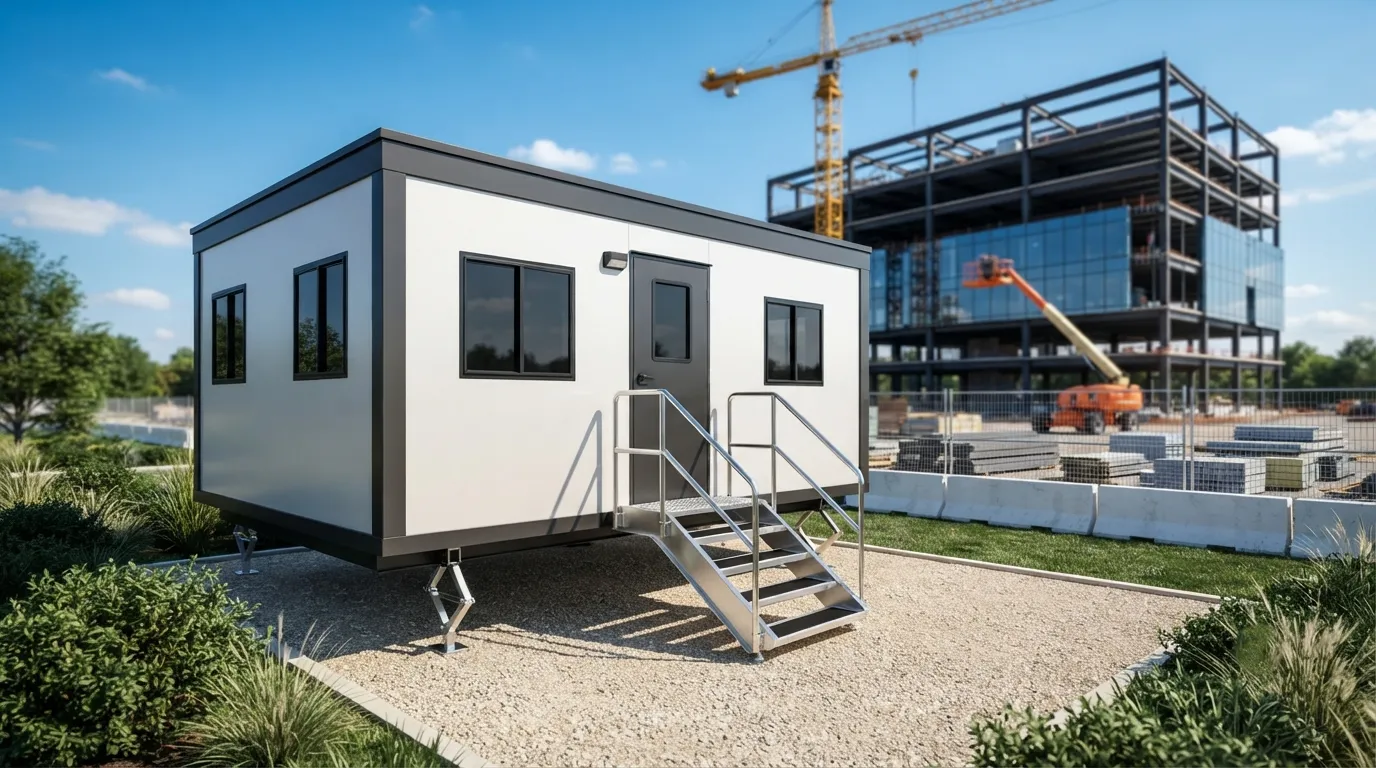
Placement inside Seattle city limits runs through the Seattle Department of Transportation once a unit sits in the public right-of-way. SDOT's named permit product covers storage containers and residential dumpsters placed curbside, requiring a Right-of-Way Impact Plan submitted through the Seattle Services Portal, and the placement rules under that permit keep containers at least 30 feet from intersections, 10 feet from driveways and 15 feet from fire hydrants. Whether a portable toilet specifically falls under that same permit type or the broader SMC 15.04.010 prohibition on using public space without a permit was not confirmed in SDOT's published materials, so treat placement in the right-of-way as something to confirm with the city before delivery day, not after. Our porta potty permit requirements page and dumpster permit requirements page both cover what SDOT has published so far. On private property, the math is simpler: firm level ground, a 36 inch path in, and clearance for the service truck. Seattle's wet season adds a wrinkle, since the region averages 91.0 days a year with 0.10 inch or more of precipitation, which is the highest count among the cities we track, so a gravel or mat pad under an ADA unit earns its keep more often than not. Our porta potty placement guide and porta potty in winter page cover pad prep in wet ground.
Do I need ADA units for a wedding or event in Seattle?
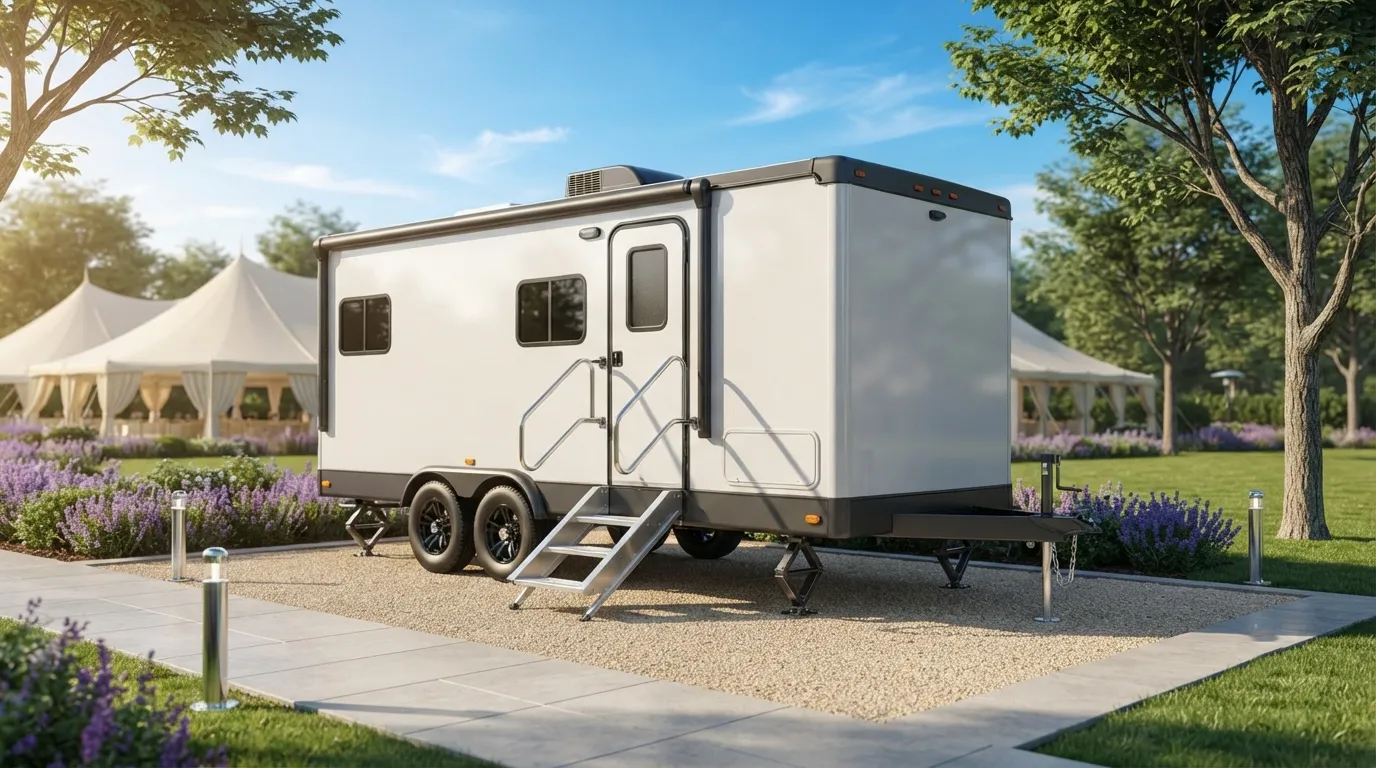
Yes, if the venue expects guests who may need one, and most venues do. The same 5 percent rule under ADA Standards 213.2 applies whether the cluster is at a construction site or a backyard reception. An event restroom rental for 100 guests calls for several standard units plus at least one accessible unit; a wedding restroom rental at a smaller venue may only need one of each. Larger gatherings, like a festival restroom rental or a marathon and race restrooms setup, scale the accessible count with total units on site. Weekly ADA rentals through Seattle Porta Pros run in a band that beats renting by the day across a multi-day event; check current bands on our porta potty rental cost page before you book.
How much does an ADA porta potty cost in Seattle?
| duration | typical range |
|---|---|
| day | $200 to $400 |
| week | $120 to $240 |
Weekend rentals run separately from the day and week bands above; ask for a weekend quote directly. See our porta potty rental per day page for how daily and weekly compare across unit types.
Is a deluxe flushable unit ever required for ADA compliance?
No. ADA compliance is about door width, turning space and reach, not flush type. A deluxe flushable porta potty can be built to ADA spec, but a standard ADA unit meets the same standards at a lower cost.
Can I rent just one ADA unit for a small job site?
Yes. ADA Standards 213.2 requires at least one accessible unit per cluster regardless of how small the job is. Pair it with your standard unit count under OSHA 1926.51(c) for total headcount.
Does an ADA restroom trailer meet the same standards?
Yes, the same door width, turning space and reach rules apply. Our 2 stall restroom trailer and 4 stall restroom trailer pages both note which configurations include an ADA-compliant stall.
Who enforces ADA restroom placement in Seattle?
Placement within the public right-of-way runs through the Seattle Department of Transportation. Private property placement is on the property owner and renter to get right; see our ADA restroom requirements page's linked guides for site prep details.
Next step
Get a delivery date
Tell us the address, the dates and the headcount. We size the order and confirm the route.