
How many porta potties does OSHA require on a construction site?
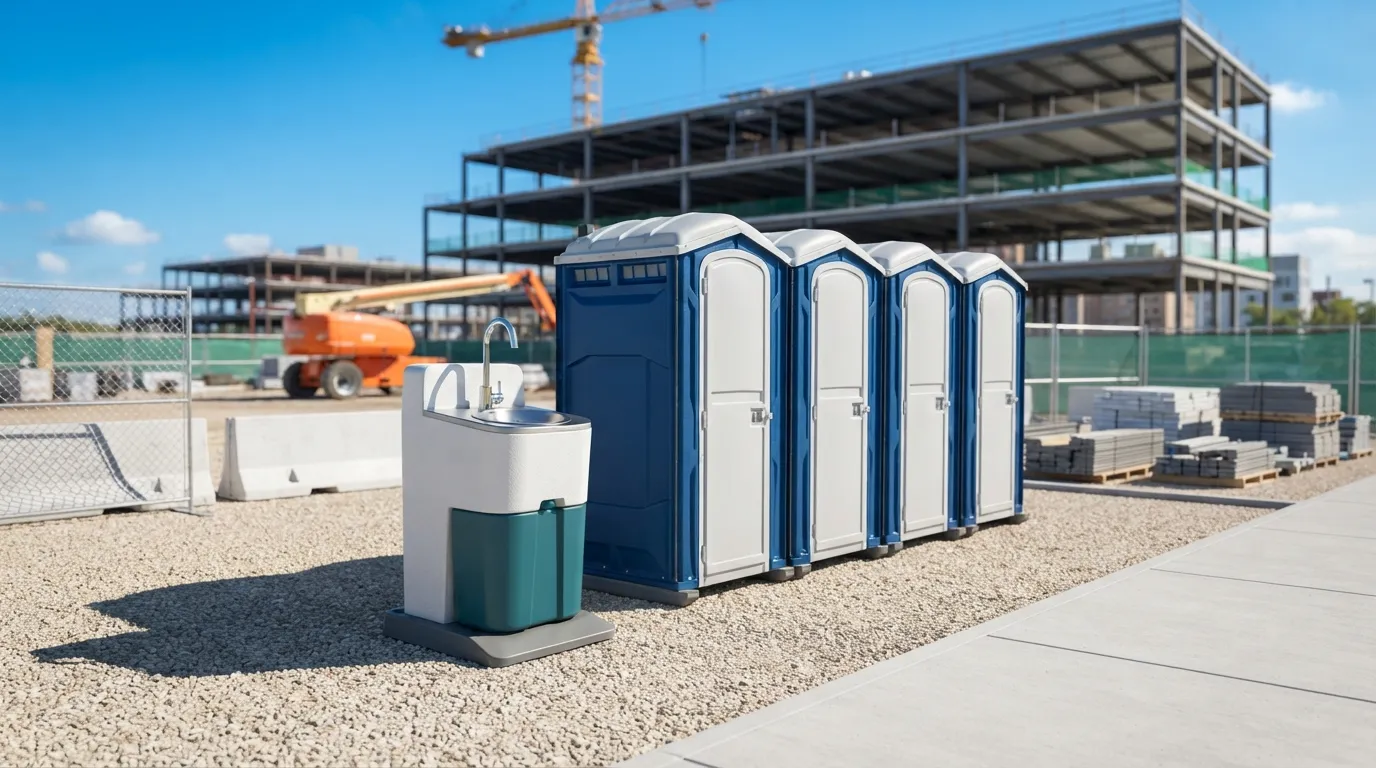
The rule is 1926.51(c), and it scales with headcount, not site size. A crew of 20 or fewer needs 1 unit. Once you cross 20 workers, the standard shifts to 1 toilet seat plus 1 urinal per 40 people, and at 200 workers or more it drops to 1 per 50. Most contractors working a job in Seattle round up rather than guess, because a shorthanded crew on a 6-week job in Ballard is cheaper to fix with an extra unit than with a stop-work order. Anyone typing how many porta potties do i need osha into a search bar is really asking the same 1926.51(c) headcount question, not a separate rule. If you are staffing a mid-size crew, check how many porta potties you actually need before delivery day, and compare that against standard porta potty rental pricing so the math works before the crew shows up. OSHA also requires potable water at the site under 1926.51(a)(1), which is a separate obligation from toilet count and often gets missed on smaller jobs. A handwashing station rental or a portable sink rental covers that requirement alongside the toilets, and Seattle Porta Pros can deliver both on the same run.
Does OSHA require handwashing stations too?
Not automatically. 1926.51(f)(1) only kicks in where workers are applying paints, coatings, herbicides or insecticides, or handling similar contaminants. That is a narrow trigger, not a blanket handwashing mandate. If your crew in Seattle is painting, coating, or spraying anything on that list, you need washing facilities on site, full stop. Separately, 29 CFR 1910.141(d)(2) requires soap and towels or a hand-drying device wherever washing facilities exist. Hand sanitizer alone does not satisfy that rule. That distinction trips up a lot of site supervisors, who assume a sanitizer station on a folding table checks the box. It does not. For a painting or roofing job with chemical exposure, pair hand sanitizer station rentals with an actual handwashing station so both the exposure-triggered rule and the general soap-and-towel rule are covered. Farm labor crews fall under a different standard entirely: 1928.110 requires 1 field sanitation facility per 20 workers, reachable within a quarter mile, which matters for farm and agricultural restrooms work outside the city.
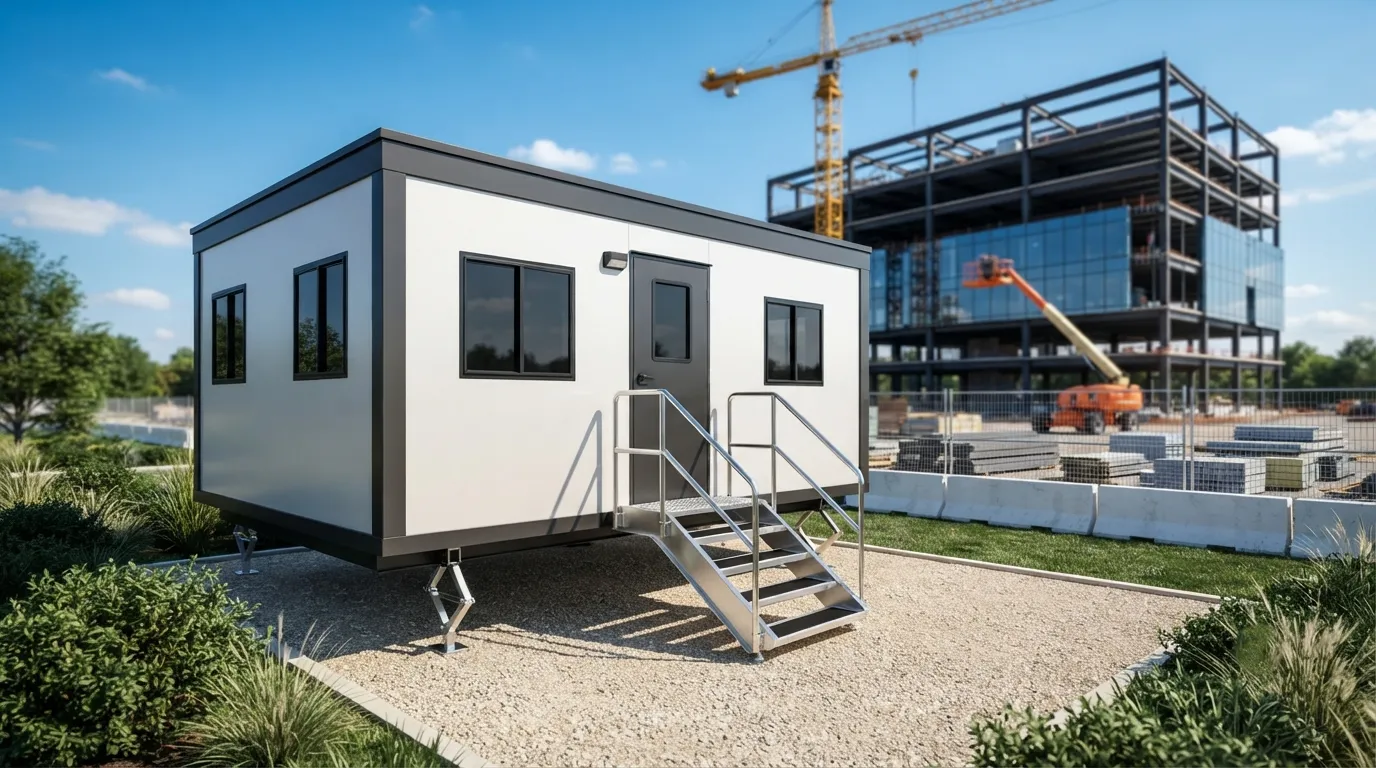
Are ADA accessible units required on Seattle jobsites?
Yes, once units are clustered. ADA Standards section 213.2 requires at least 5 percent of clustered single-user portable toilets to be accessible, and never fewer than one unit no matter how small the cluster. An accessible unit also needs a 60 inch turning circle under section 304.3.1, a 32 inch clear door opening per 404.2.3, and a 36 inch clear route per 403.5.1. Ramps leading to the unit cannot exceed a 1:12 slope under 405.2, and the ground underneath has to be stable and slip resistant per 302.1. Operable parts like the door latch need to work one-handed with 5 pounds of force or less, per 309.4. If you are running any public event, festival, or multi-unit construction site in Seattle, budget for at least one ADA accessible porta potty, which typically rents in the 120 to 240 dollar range depending on term length. A weekend rental of an ADA unit generally lands near 240 dollars. Skipping this on a jobsite near downtown or a job in Mercer Island, 8.9 miles southeast, is one of the more common compliance gaps we see.
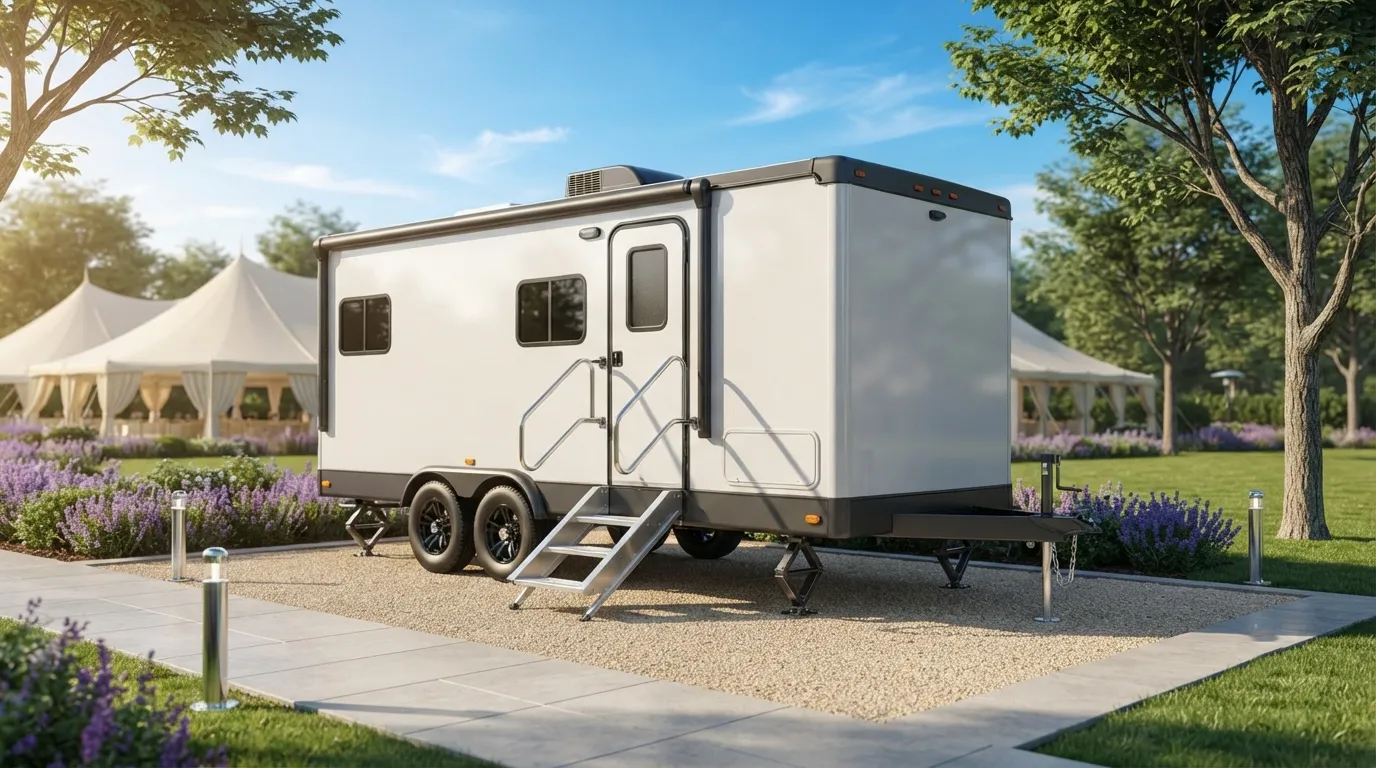
Where can portable toilets legally be placed in Seattle?
That depends on whether the unit sits on private property or in the public right-of-way. On private property, placement is your call and OSHA's rules apply the same as anywhere else. In the right-of-way, Seattle Municipal Code 15.04.010 makes it unlawful to use any public place without a written Street Use permit from SDOT, and SDOT's named permit product covers storage containers and residential dumpsters specifically, not portable toilets by name. That gap is real: whether a portable toilet needs its own SDOT permit type, separate from the container and dumpster permit, is not confirmed in the published categories, so confirm placement directly with the city before you set a unit at the curb. Confirmed placement rules for containers include staying 30 feet from intersections, 10 feet from driveways, and 15 feet from fire hydrants, and those setbacks are a reasonable baseline to apply to any unit near a street. See our porta potty permit requirements and placement guide before finalizing a site plan, and check dumpster permit requirements if you are also placing a roll-off. For storage container rental or a 20ft storage container in the right-of-way, the SDOT permit is confirmed and required.
Seattle Porta Pros delivers standard units, deluxe flushable porta potties, and restroom trailers across the city, from a small residential job to a full construction site services package. Whether you're pricing a porta john rental for a short driveway job or a monthly porta potty rental for a longer build, get the porta potty rental cost numbers before you commit to a term.
How many porta potties do I need for a 25-person crew?
Under 1926.51(c), 20 workers or fewer needs 1 toilet. At 25 workers, you have crossed into the 20-to-199 band, so plan for 1 toilet plus 1 urinal per 40 people. Round up rather than down on a tight schedule.
What is the OSHA distance requirement for portable toilets?
OSHA's construction standard, 1926.51(c), sets ratios by worker count but does not specify a maximum distance from the work area. Practically, most sites in Seattle place units within a short walk of the crew to keep breaks brief and compliant with reasonable access expectations.
Does Cal/OSHA use the same portable toilet ratio as federal OSHA?
This page covers federal OSHA rules under 1926.51(c), which apply in Washington state. Cal/OSHA portable toilet requirements, including cal osha portable toilet requirements construction ratios, are California's separate state plan and follow their own standard, which is outside the scope of a Seattle jobsite. If you're comparing portable toilet rental oshawa or other out-of-state listings while researching rules, keep in mind those postings follow different local codes and won't match Seattle's OSHA or SDOT requirements.
Do I need a permit to place a porta potty in the Seattle right-of-way?
Possibly. SDOT's confirmed permit product names storage containers and residential dumpsters, not portable toilets specifically. Confirm with the city before placement in the right-of-way, since SMC 15.04.010 prohibits using public space without a permit generally.
Can hand sanitizer replace a handwashing station on my jobsite?
No. 29 CFR 1910.141(d)(2) requires soap and towels or a hand-drying device wherever washing facilities are provided. Sanitizer alone does not meet that standard, even where 1926.51(f)(1) applies for paint or chemical exposure.
Next step
Get a delivery date
Tell us the address, the dates and the headcount. We size the order and confirm the route.