
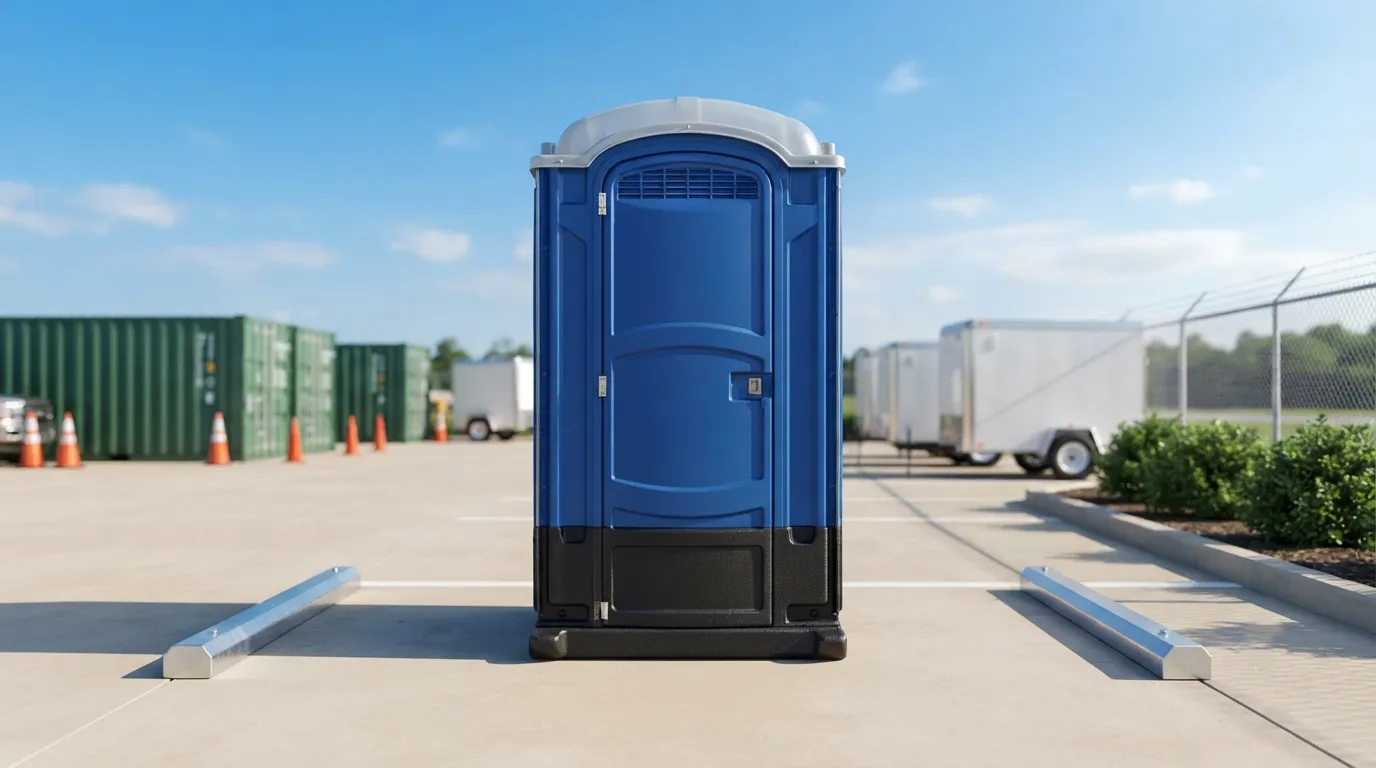
What Is a Standard Porta Potty Rental?
It's the no-frills unit: a single stall, a seat, a holding tank, no sink and no flush. Seattle Porta Pros stocks these for job sites, backyard renovations and weekend events across Seattle. Standard units stand about 92 inches tall and hold 60 to 70 gallons of waste, enough for a crew working several days between service visits under the ANSI/PSAI Z4.3 baseline of one visit per week for up to 10 users over a 40 hour week. If you need something nicer, look at the deluxe flushable porta potty or a full restroom trailer rental. For ADA-compliant jobsites, check the ADA accessible porta potty page instead, since standard units don't meet the 60 inch turning circle required under ADA Standards 304.3.1. Most renters comparing options start at our portable toilet rental hub or the general porta john rental page before narrowing down to a specific unit type.
Standard Porta Potty Rental Prices
| Duration | Low | Typical | High |
|---|---|---|---|
| Day | $100 | $150 | $350 |
| Week | $130 | $200 | $500 |
| Month | $125 | $200 | $325 |
Delivery adds a separate charge, generally $50 to $150 for a weekly rental, and service fees for extra pump-outs run $30 to $220 a week depending on frequency. Weekend rentals for a wedding or a backyard party in Seattle typically land near $250, though the range runs $125 to $400. For a deeper cost breakdown across unit types, see porta potty rental cost or the day-specific numbers on porta potty rental per day. If you're renting for a full month, the monthly porta potty rental page covers billing details this page doesn't.
How Many Standard Units Does a Seattle Job Site Need?
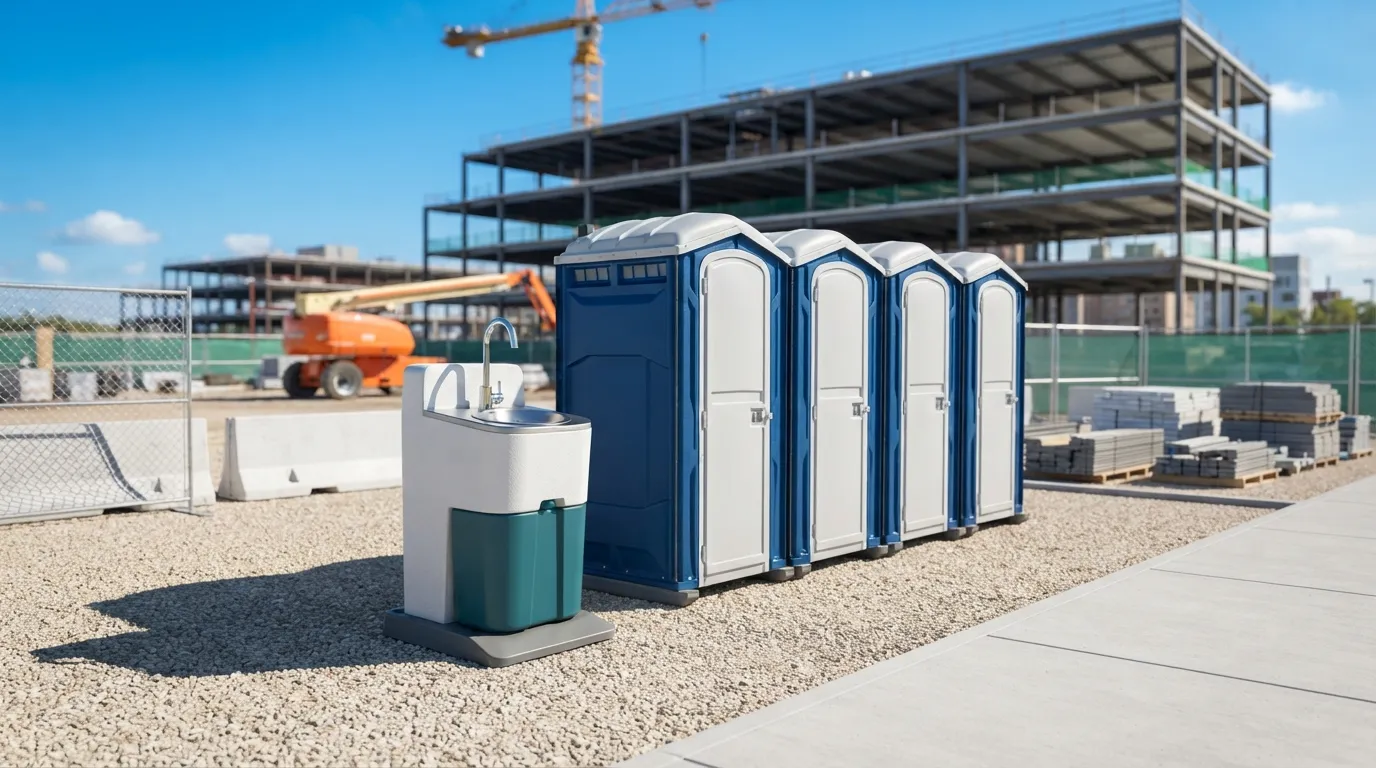
OSHA 1926.51(c) sets the minimum: one toilet for 20 or fewer construction workers, then one toilet and one urinal per 40 workers up to 200, and per 50 workers beyond that. A general contractor near Mercer Island, 8.9 miles southeast of downtown Seattle, might need three units for a 45-person crew; a smaller renovation crew working in Shoreline, 11.8 miles north, may need just one. Our how many porta potties do I need guide walks through the math by crew size, and OSHA portable toilet requirements covers the full standard. Non-construction workplaces fall under 1910.141(c)(1)(i) instead. Agricultural operations with hand-labor crews follow OSHA 1928.110, which requires one facility per 20 employees within a quarter mile walk. For construction sites in Seattle, pair your toilet count with the construction site services page and consider a temporary fence rental if the site borders a sidewalk or right-of-way.
Where Can I Place a Standard Porta Potty in Seattle?
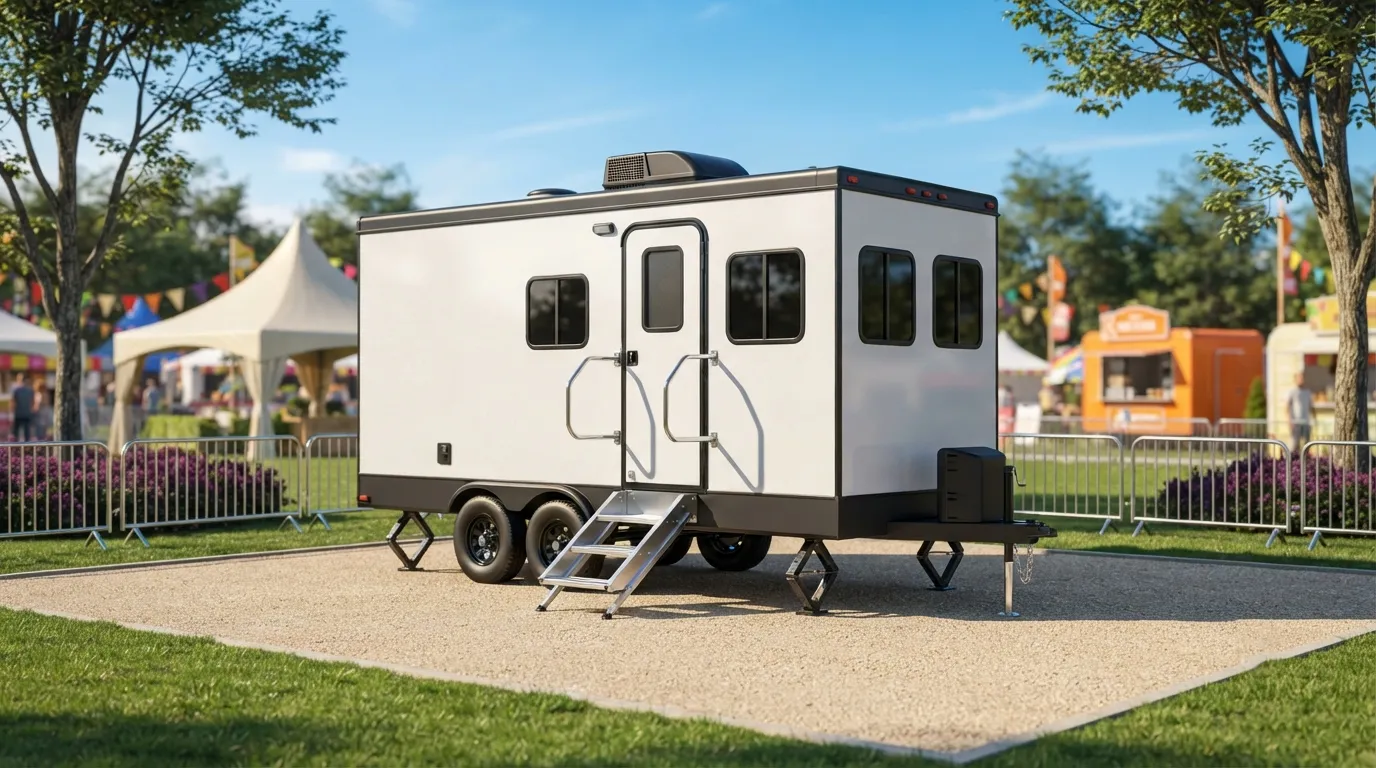
Placement in Seattle's public right-of-way needs confirming with the Seattle Department of Transportation before delivery. SDOT names a Storage Container and Residential Dumpster Permit under Seattle Municipal Code Title 15, but no SDOT page we've checked names portable toilets specifically as a permitted item, so anyone placing a unit at the curb should call SDOT directly rather than assume the container permit applies. SMC 15.04.010 makes it unlawful to use any public place without a written permit from the Director of Transportation or another named authority, and that general rule likely covers a curbside toilet even without a named permit type. On private property, like a driveway or backyard, no city permit is typically needed. Our porta potty permit requirements and porta potty placement guide pages go deeper on siting rules, access paths and surface requirements. Renting near a jobsite in Issaquah, 16.7 miles east, or Bothell, 20.9 miles northeast? The same right-of-way caution applies anywhere units sit on a public street rather than private ground.
Winter rentals in Seattle also need a word on servicing: with 24.0 days a year averaging at or below freezing and 37.49 inches of annual precipitation, standing water and icy access paths slow service trucks down. See porta potty in winter for details on cold-weather servicing. If your event needs handwashing alongside a standard unit, note that hand sanitizer doesn't satisfy 29 CFR 1910.141(d)(2), which requires actual soap and towels or a hand-drying device; our handwashing station rental and portable sink rental pages cover compliant options.
How much does a basic porta potty rental cost for one weekend?
A standard unit for a weekend in Seattle typically runs around $250, with the range falling between $125 and $400 depending on delivery distance and add-ons. Multi-day events or weddings often save by booking a full week instead. See wedding restroom rental for event-specific pricing notes.
What are the standard porta potty dimensions?
A standard unit measures about 44 by 48 inches on the ground and stands roughly 92 inches tall, with a 60 to 70 gallon holding tank. That footprint fits most driveways, sidewalks with clearance, and job site corners without needing extra site prep.
Is a standard unit different from an ADA unit?
Yes. Standard units lack the 60 inch turning circle and 32 inch clear door opening required under ADA Standards 304.3.1 and 404.2.3. If you're clustering multiple toilets on one site, ADA Standards 213.2 requires at least 5 percent to be accessible units, so budget one ADA unit alongside your standard order.
Can I rent just one standard porta potty near me in Seattle?
Yes, single-unit rentals are common for backyard projects, small renovations and short events. Delivery fees apply regardless of order size, typically $50 to $150 for a weekly rental, so pairing a single unit with a longer rental period often costs less per day than a one-day booking.
Do I need a permit for a standard porta potty on my own property?
Usually not, if it sits on private property like a driveway or yard. Placement in the public right-of-way is different and needs confirming directly with the Seattle Department of Transportation, since no named permit for portable toilets was found in SDOT's published categories.
Next step
Get a delivery date
Tell us the address, the dates and the headcount. We size the order and confirm the route.