
How fast can Seattle Porta Pros respond to a disaster?
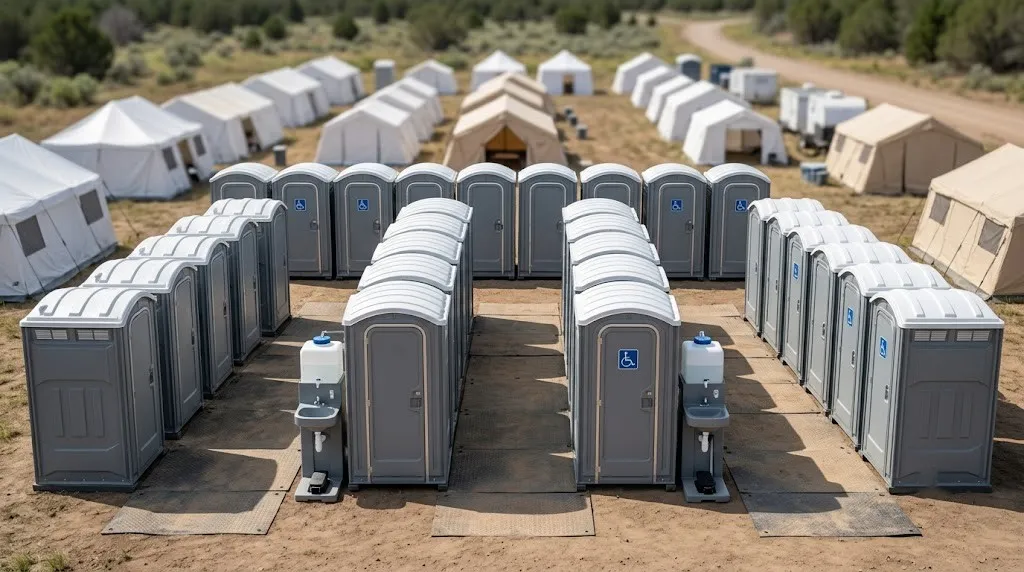
Emergency response works differently than a scheduled event drop. Seattle Porta Pros keeps stock ready for emergency porta potty rental so a shelter, a staging yard, or a damaged apartment block does not sit without a working restroom. Seattle sees an average of 91.0 days a year with 0.10 inch or more of precipitation, per NOAA climate normals for the Sea-Tac airport station, which means storm response here often means mud, standing water, and slick approach paths on top of the sanitation gap itself. Crews check ground stability before placement, since ADA Standards section 302.1 calls for surfaces that are stable, firm, and slip resistant, and that standard does not pause for an emergency. If the site sits in the public right-of-way, placement needs confirming with Seattle Department of Transportation before drop, because SDOT's named container permit covers storage containers and dumpsters and does not clearly list portable toilets. For displaced households, a portable restroom rental can bridge weeks, and for damaged septic lines a holding tank rental covers wastewater until a system gets repaired. Response teams coordinating a multi-site deployment should start with construction site services for the logistics model, even though the trigger here is weather, not a job site.
What sanitation do shelters and staging sites actually need?
A shelter running through a multi-day outage needs toilets, handwash, and often a place for responders to shower and sleep in shifts. Standard units run a 60 to 70 gallon holding tank and stand about 92 inches tall, and a cluster serving a shelter population should follow OSHA 1926.51(c), which sets 1 toilet for 20 workers or fewer and scales up from there for larger crews. At least 5 percent of any cluster of single-user units, and never fewer than one, needs to be wheelchair accessible under ADA Standards section 213.2, which matters more during a disaster, not less, since mobility-impaired residents are often the hardest to relocate. Pair toilets with a handwashing station rental or a portable sink rental, since hand sanitizer alone does not satisfy 29 CFR 1910.141(d)(2), which requires soap and towels or a hand drying device at wash stations. Responders working recovery, especially anyone handling coatings, solvents, or pesticide-treated debris, fall under OSHA 1926.51(f)(1) for washing facilities. Longer shelter operations may need a restroom trailer rental or a shower trailer rental once the first 72 hours pass and people need something closer to normal. Seattle's Emergency Operations coordination sites are a common example of where trailer-grade sanitation replaces stacked toilets once the response shifts from triage to sustained shelter.
Where do damaged or overwhelmed septic systems fit into disaster response?
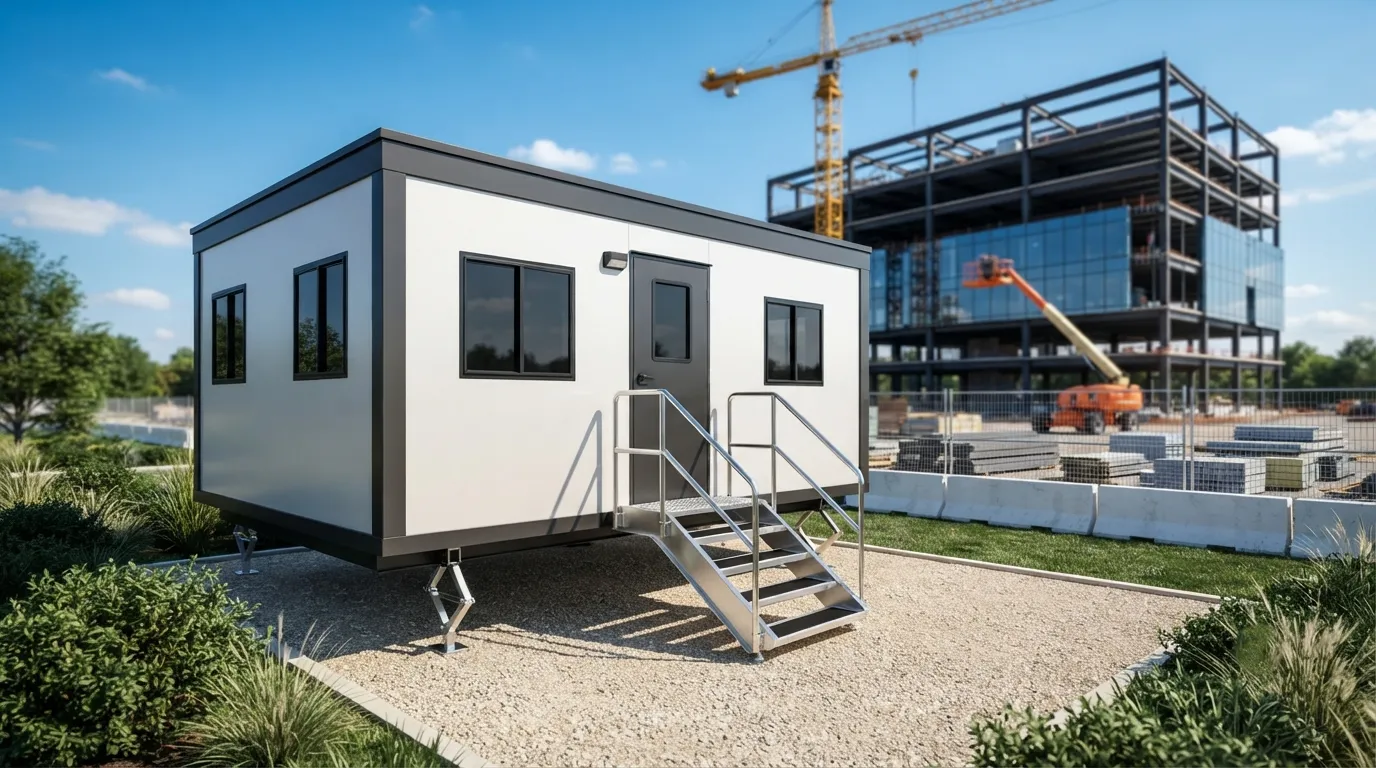
Flooding and ground saturation are common triggers for septic failure, and a residential tank that would normally get pumped every 3 to 5 years can back up early under storm stress. Seattle Porta Pros runs septic pumping service and emergency septic service for exactly this failure point, since a backed-up tank turns a power outage into a public health problem fast. Homes on the Eastside, including sites out toward Issaquah at 16.7 miles east or Sammamish at 21.3 miles east, tend to run on-site systems more than the urban core, so septic failure is a bigger share of the disaster call volume there than inside city limits. Washington's on-site sewage systems fall under the Department of Health per Chapter 246-272A WAC, while land application of septage runs through the Department of Ecology, and neither agency treats a portable toilet servicer as a biosolids handler as long as septage is not being land-applied. If a grease interceptor at a shelter kitchen backs up, it needs pumping once fats, oils, grease, and solids reach 25 percent of liquid depth, which is worth checking through grease trap pumping before a commercial kitchen goes down mid-response. For sites needing to protect a decommissioned tank or a work zone from foot traffic, temporary fence rental keeps people clear of hazards while repairs happen.
| unit | duration | typical price |
|---|---|---|
| standard | day | $150 |
| standard | week | $200 |
| ada | day | $230 |
| septic | day | $250 |
Deployment support beyond restrooms often includes a storage container rental for supplies, a light tower rental for night operations, and a temporary power pole where the grid is still down. Debris cleanup usually needs a roll-off dumpster rental, and crews should check what cannot go in a dumpster before loading storm debris mixed with hazardous material. For full city coverage during a widespread event, see Service Areas in Seattle, WA and the main Porta Potty Rental in Seattle, WA hub page.
How many toilets does a shelter of 100 people need?
Under OSHA 1926.51(c), 100 workers need roughly 3 toilet seats plus urinals scaled from the 20-and-40-worker tiers. Shelters are not construction crews, but responders use this ratio as a floor. Add ADA units per section 213.2 and round up, not down.
Can Seattle Porta Pros deliver to an active disaster zone before permits clear?
Response timing depends on site access and road conditions, not paperwork alone. Right-of-way placement still needs SDOT confirmation under SMC 15.04.010, but placements on private property, church lots, or shelter grounds typically move faster.
Do disaster sites need handwashing separate from toilets?
Yes. 29 CFR 1910.141(d)(2) requires soap and a drying method at any wash station, and sanitizer does not count. Pair every toilet cluster with a dedicated hand sanitizer station rental or sink unit, not a substitute.
What happens if a residential septic system fails during a storm?
Call for emergency pumping before the tank overflows into the yard or a waterway. Saturated ground speeds failure even in tanks pumped on a normal 3 to 5 year cycle, so early service prevents a bigger cleanup later.
Can portable restrooms handle winter storm response in Seattle?
Yes, with servicing adjusted for cold. Seattle averages 24.0 days a year at or below 32 F, per NOAA normals, so tanks need proper treatment to keep from freezing during extended outages.
Next step
Get a delivery date
Tell us the address, the dates and the headcount. We size the order and confirm the route.