
Do you need a permit for a portable toilet in Seattle?
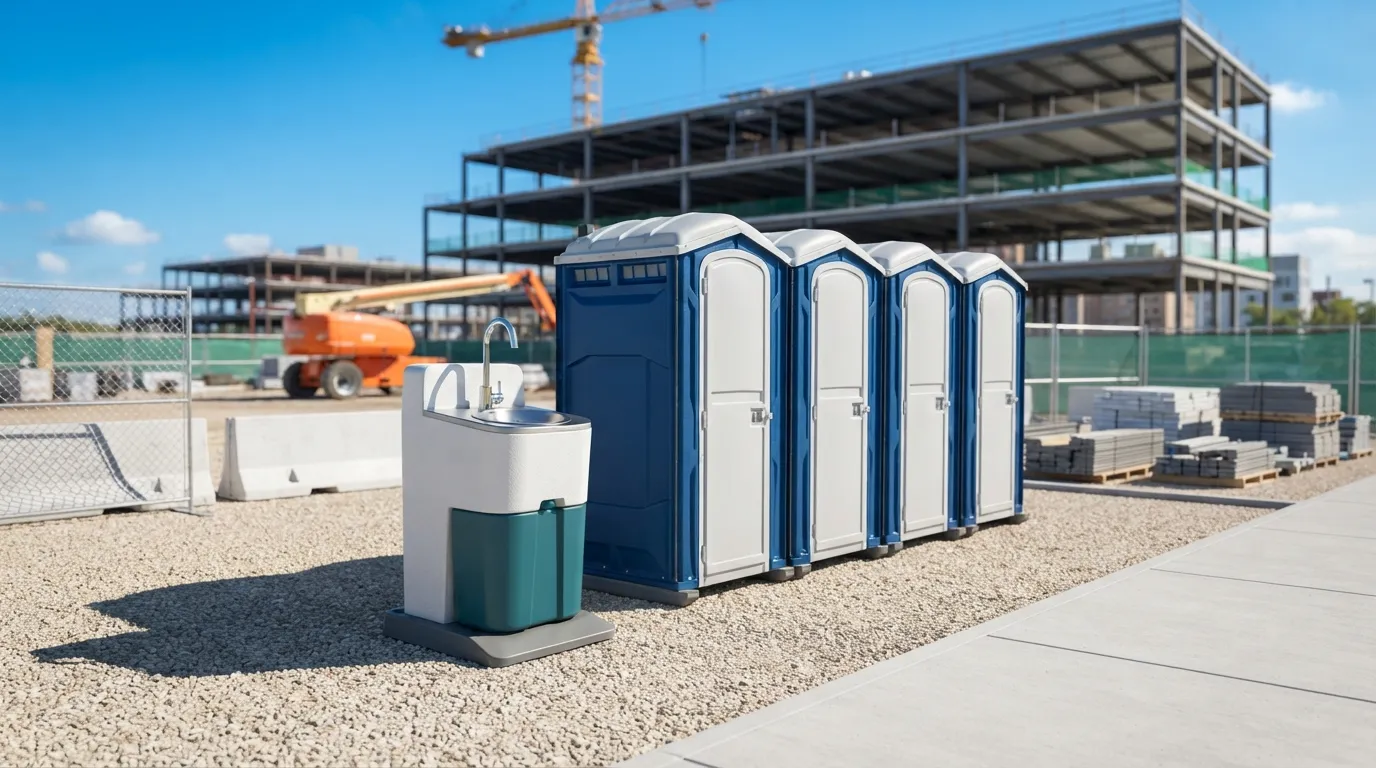
Seattle Municipal Code 15.04.010 makes it unlawful to use any public place without a written permit from the Director of Transportation, the Director of Seattle Department of Construction and Inspections, or the Superintendent of Parks and Recreation. That is broad. It covers streets, sidewalks and public rights-of-way generally. SDOT's named permit product, the Storage Container and Residential Dumpster Permit, covers exactly what it says: storage containers and residential dumpsters. No SDOT page we found names portable toilets specifically as a covered item. That does not mean a porta potty is exempt. It likely falls under the general prohibition in 15.04.010 even without its own named category. If you are placing a standard porta potty rental or an ADA accessible porta potty on your own driveway or lawn, you are usually fine without a permit. Put one at curbside on a Seattle street and you are in gray territory we cannot resolve for you from here. Call SDOT and ask before the truck rolls. We can help you figure out placement on private property in the meantime through our porta potty placement guide.
What are the porta potty placement rules in Seattle?
SDOT's placement rules were written for containers and dumpsters, but they are a good baseline for anything sitting in the right-of-way. Units must sit in a legal parking space, stay free-standing, and sit in the parking lane fronting the applicant's property. Clearance matters too: 30 feet from intersections, 10 feet from driveways, and 15 feet from fire hydrants. Apply those same distances to a rented toilet at curbside and you will not be the reason a fire truck can't get through. On private lots, jobsites and backyards, none of this applies, and most of our portable toilet rental volume in Seattle sits entirely on private property. If your project needs a temporary fence around the unit too, keep the same sightline distances in mind so the fence doesn't block a hydrant or driveway either.
Do you need a permit for a dumpster on a Seattle street?
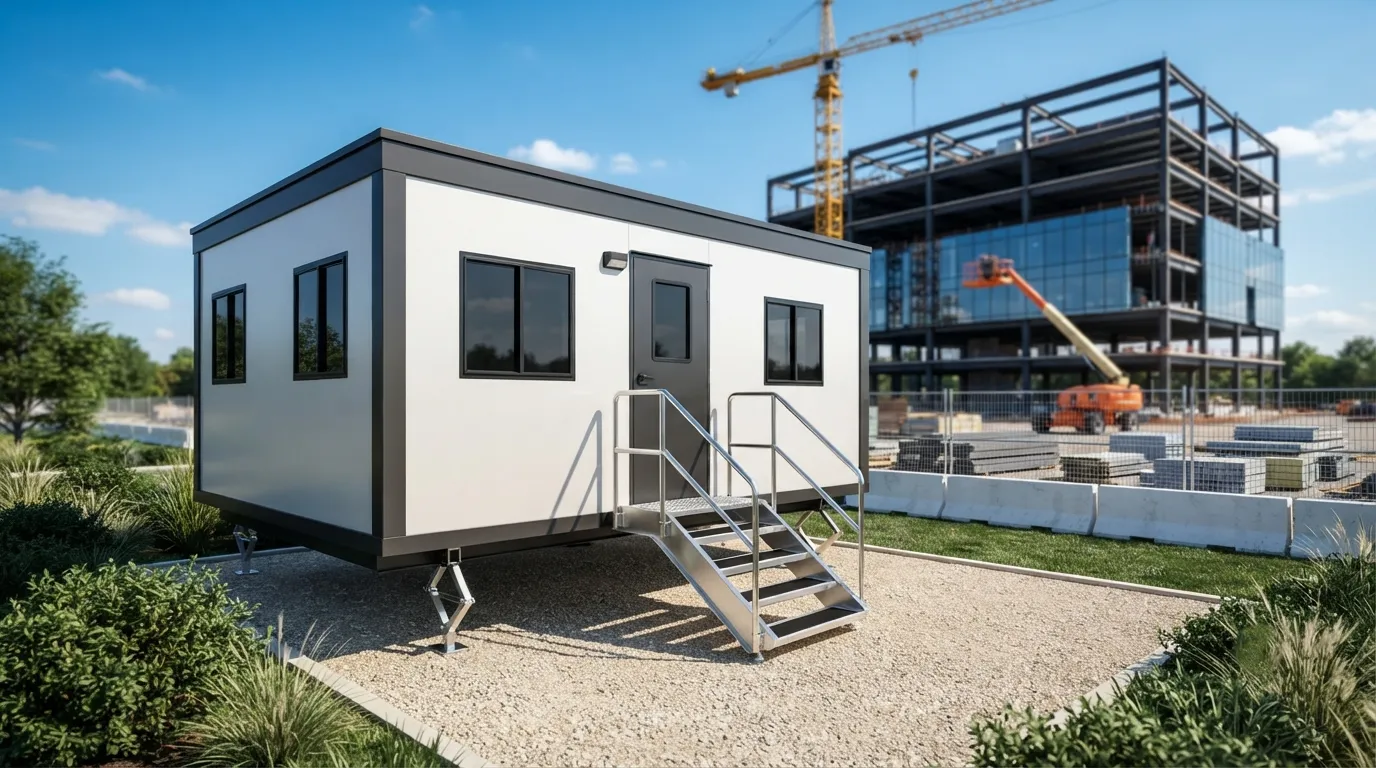
Yes. Any roll-off dumpster rental placed in the right-of-way needs an SDOT Street Use permit before delivery, under the same Storage Container and Residential Dumpster Permit product covered above. Applications go through the Seattle Services Portal and require a Right-of-Way Impact Plan, called a ROWIP, uploaded with the application. The base fee runs through SDOT's ROW Management - Simple Review tier, with add-ons depending on location, duration and impact to mobility and safety. We did not find current dollar figures in SDOT's public fee schedule, so ask SDOT directly for a quote before you commit to a delivery date. If your dumpster sits entirely on your own driveway or a private lot, this permit requirement does not apply. That covers most of our 10 yard, 20 yard and 30 yard dumpster deliveries around Seattle. Check dumpster permit requirements for more on the paperwork, and see dumpster sizes and dimensions before you decide which one fits your driveway.
What other Seattle rules affect equipment placement?
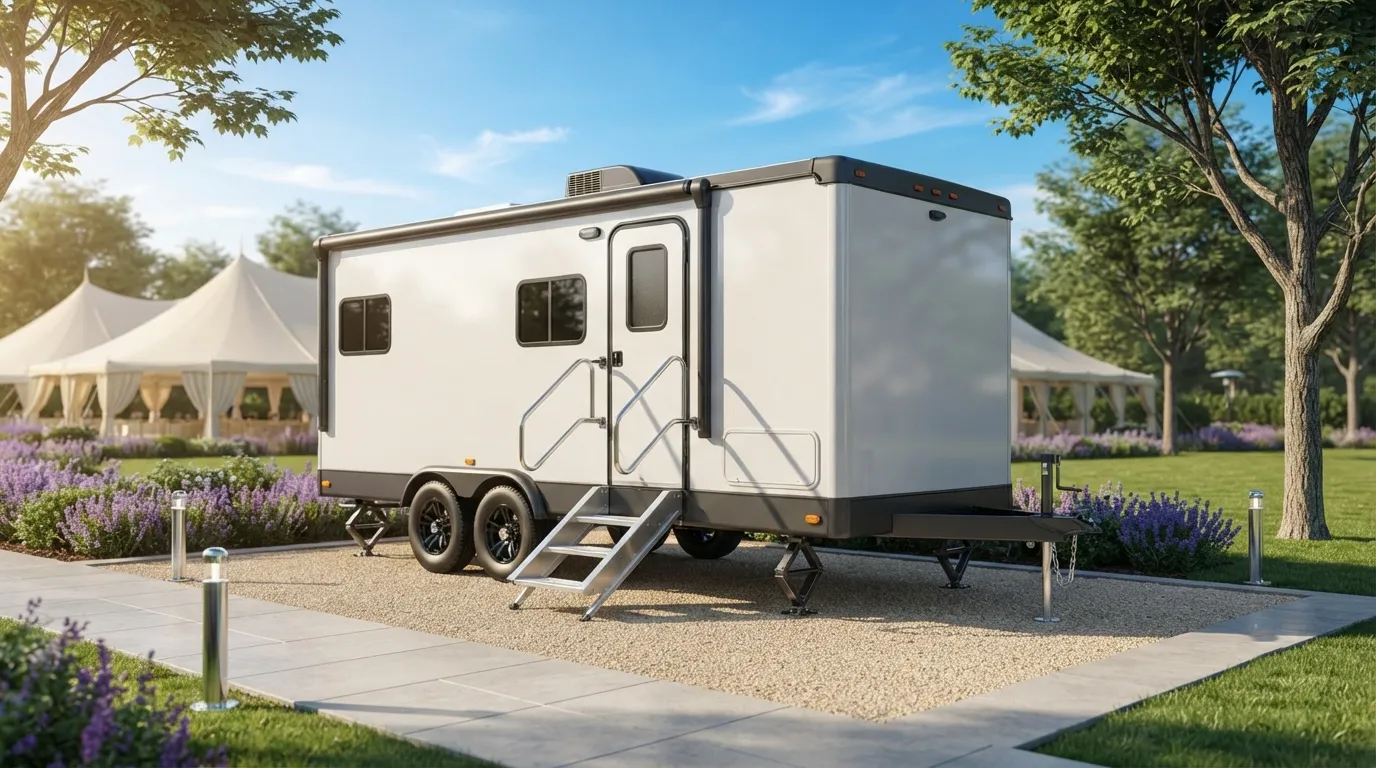
Beyond SDOT's Street Use permit, a few other things shape where equipment can sit. Seattle's average January minimum temperature is 36.9 F, and the city sees an average of 24.0 days a year with a low at or below freezing, according to NOAA climate normals for the SeaTac airport station. That matters for winter jobsites: a frozen tank valve is a real problem, and our porta potty in winter guide covers how we handle it. Seattle also averages 91.0 days a year with meaningful rainfall, the highest of the cities we track, so drainage and ground stability around your unit deserve a look before delivery, especially for a restroom trailer rental that needs a level, solid pad. On the construction side, OSHA 1926.51(c) sets toilet counts by crew size regardless of what the city requires for placement, and ADA Standards section 213.2 requires at least one accessible unit, never fewer, when portable toilets are clustered. If you're staging a temporary power pole or generator near the unit, keep GFCI protection in mind per OSHA 1926.404(b)(1)(ii). Our OSHA portable toilet requirements page covers crew-size math in full, and how many porta potties do I need walks through the count for your specific job. If you're working with crews or clients further from home, our porta potty rules and regulations guidance holds up whether you're asking about portable toilet rental delaware, delaware porta potty rental, or a roll-off dumpster rental delaware, since permit logic tends to follow the same right-of-way pattern city to city, much like a temporary power pole permit or a jersey city dumpster permit filing.
Seattle Porta Pros delivers within the city and to nearby communities including Mercer Island, 8.9 miles southeast, and Shoreline, 11.8 miles north. If your event or jobsite sits further out, check porta potty rental in Burien or porta potty rental in SeaTac for local pricing, or browse service areas for the full list.
Who issues the permit for a porta potty or dumpster in Seattle's right-of-way?
SDOT, the Seattle Department of Transportation, issues the Street Use permit. Applications go through the Seattle Services Portal. Confirm with SDOT directly whether a portable toilet needs its own filing, since their named permit product only lists storage containers and dumpsters.
Can I place a porta potty on my own driveway without a permit?
Usually yes. Seattle's permit requirement targets the public right-of-way, not private property. A unit on your driveway, yard or private lot generally does not need SDOT approval. Confirm with the city if your property line is unclear.
Do dumpster permit rules apply to residential jobs too?
Yes, if the dumpster sits in the street. SDOT's permit product is named for residential dumpsters specifically, alongside storage containers. A driveway placement usually skips the permit process entirely.
How far from a fire hydrant does a curbside unit need to sit?
SDOT requires 15 feet from fire hydrants for containers and dumpsters placed in the right-of-way. The same distance is a sensible standard to apply to any equipment sitting curbside in Seattle.
What happens if I skip the permit and place equipment illegally?
We don't have specific penalty amounts confirmed for Seattle. SMC 15.04.010 makes unpermitted right-of-way use unlawful, so contact SDOT before delivery rather than risk a violation or forced removal mid-project.
Next step
Get a delivery date
Tell us the address, the dates and the headcount. We size the order and confirm the route.