
How Much Does a Porta Potty Cost Per Month?
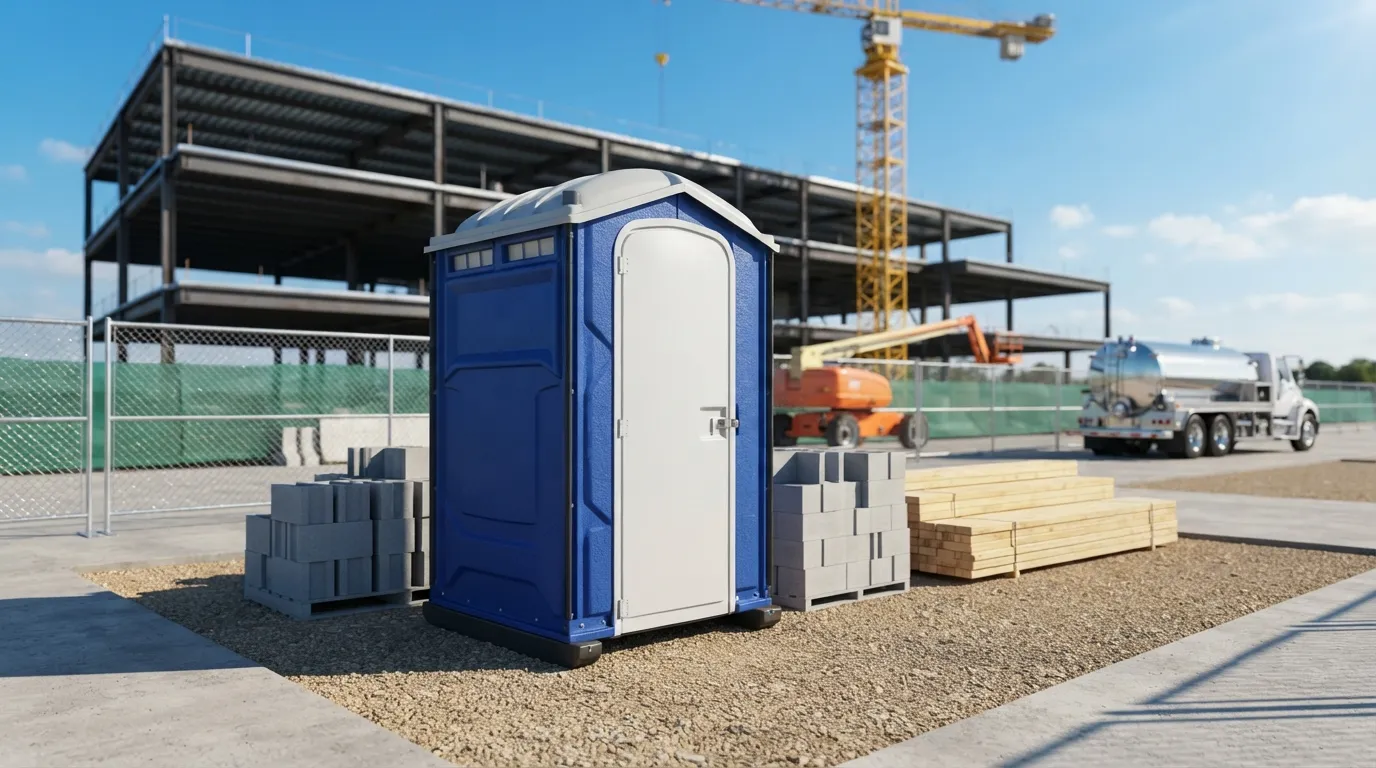
Pricing depends on unit type, how long you keep it, and where in Seattle it sits. A standard unit monthly rental typically falls between 125 and 325 dollars, drawn from 24 data points across the market. Compare that to a standard unit by the week, which runs 130 to 500 dollars, or by the day at 100 to 350 dollars: the math favors the month once you pass roughly three to four weeks of use. Delivery adds a separate line, usually 120 to 420 dollars for a monthly delivery fee. If you want flushable comfort instead of a basic unit, deluxe flushable porta potty rentals run 150 to 290 dollars a week rather than by the month. For crews that need code compliance, check OSHA portable toilet requirements before you order, since OSHA 1926.51(c) sets toilet counts by crew size on construction sites. Curious how the month rate compares against shorter windows? The porta potty rental cost and porta potty rental per day pages break down daily and weekly numbers side by side.
| unit | day | week | month |
|---|---|---|---|
| standard | 100-350 | 130-500 | 125-325 |
| ada | 200-400 | 120-240 | not measured |
| deluxe | 85-1200 | 150-290 | not measured |
| delivery_fee | 100-500 | 50-150 | 120-420 |
Why Does Long Term Porta Potty Rental Cost Less Per Week?
Because setup and delivery costs get spread across more service visits. A single delivery trip covers weeks of use instead of one. Servicing follows the ANSI/PSAI Z4.3 baseline of one visit per week for up to 10 users over a 40 hour week, so a longer contract just repeats that same rhythm without repeating the delivery charge. If your Seattle project runs a full season, a monthly porta potty rental beats booking new short-term units every few days. This matters most for construction site services where a crew needs steady access for the length of a permit, and for home renovation porta potty jobs that stretch past the original timeline. Farms running seasonal labor should look at farm and agricultural restrooms, since agricultural field sanitation under OSHA 1928.110 calls for one facility per 20 hand-labor employees, reachable within a quarter mile walk. That rule alone makes month-to-month sense for a harvest crew working the same fields around Seattle for weeks at a stretch.
Can I Place a Monthly Rental in the Seattle Right-of-Way?
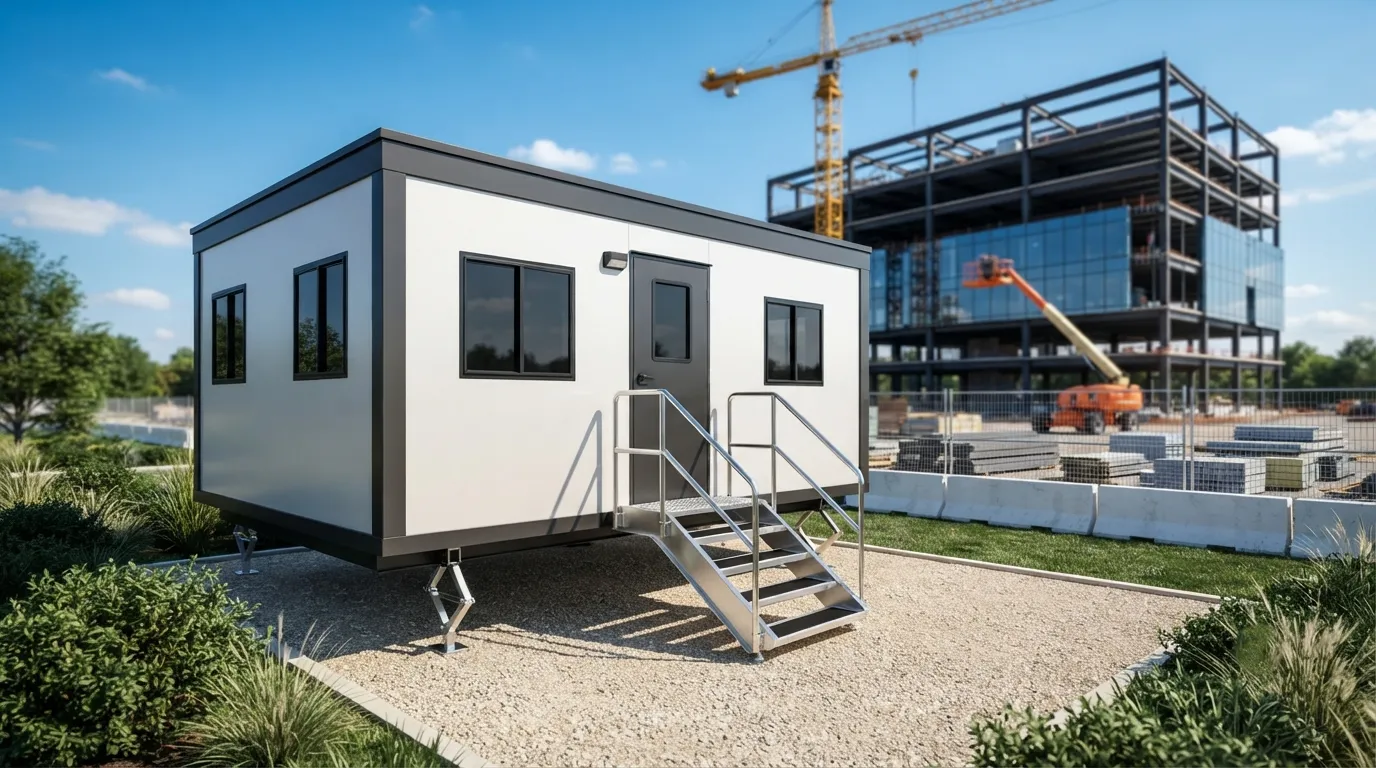
You need to confirm it with the city first. Seattle's Street Use permit process, run by the Seattle Department of Transportation, names storage containers and residential dumpsters specifically, but no SDOT page we found names portable toilets by category. That gap means placement in a public parking space or curb zone falls under the general prohibition in Seattle Municipal Code 15.04.010, which requires a written permit for any use of a public place. If your monthly rental sits entirely on private property, none of this applies, and setup is simpler. Placement guidance for containers under that permit requires standing at least 30 feet from intersections, 10 feet from driveways, and 15 feet from fire hydrants, which is a useful baseline even off the right-of-way. Read the porta potty permit requirements page and the porta potty placement guide before your delivery date, and loop in dumpster permit requirements if you're renting a roll-off at the same time, since that product is named directly in the SDOT permit.
Does a Monthly Rental Include ADA Access?
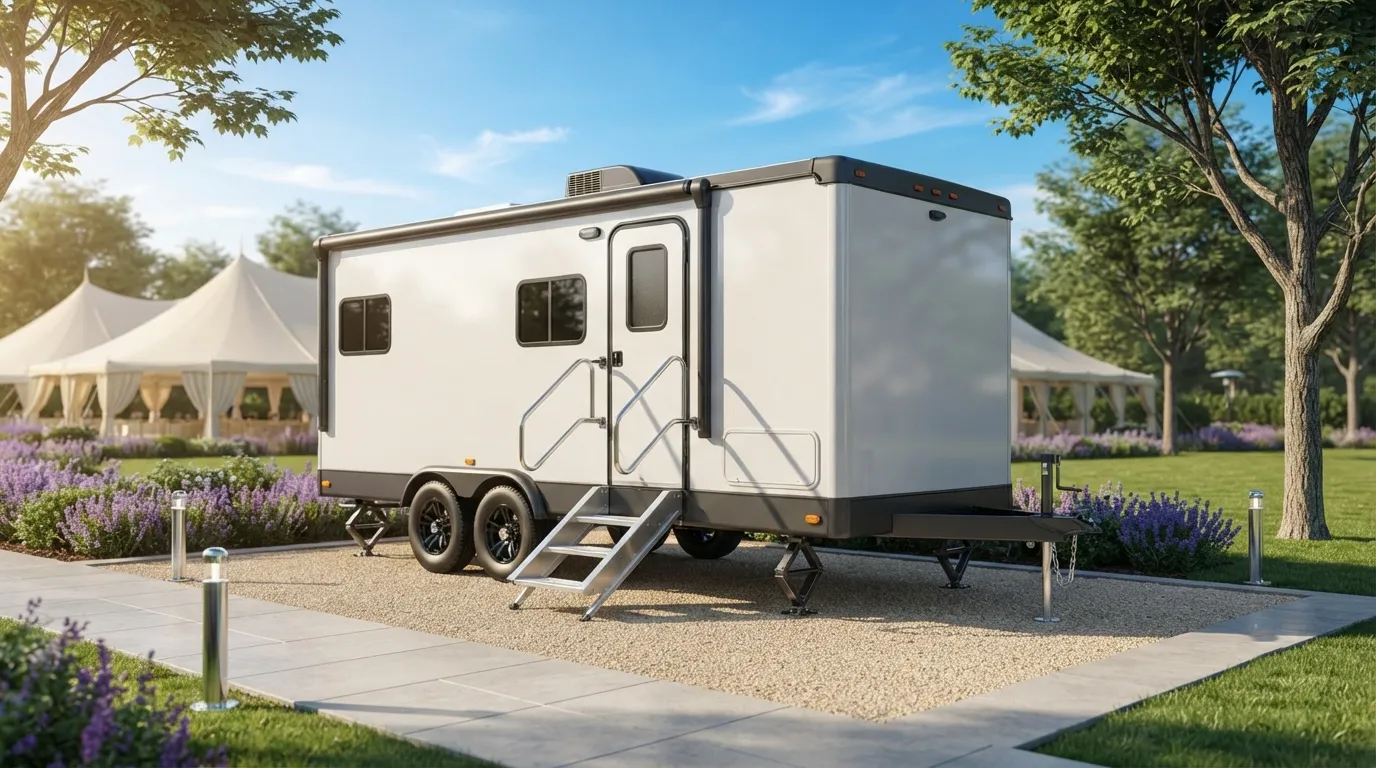
Not automatically. If your Seattle site is open to the public, or workers require accessible facilities, ADA Standards 213.2 requires that at least 5 percent of clustered single-user units be accessible, with a minimum of one. An ADA accessible porta potty unit rents for 120 to 240 dollars a week, and ADA Standards 304.3.1 calls for a 60 inch turning circle inside the unit, with a 32 inch minimum clear door opening under section 404.2.3. For a long term rental, ask about swapping in an ADA unit as part of the same monthly service route rather than adding a separate delivery. Sites with heavy foot traffic, like event restroom rental setups or public-facing construction near Mercer Island 8.9 miles southeast, tend to need this from day one rather than adding it later.
How many porta potties do I need for a month-long job?
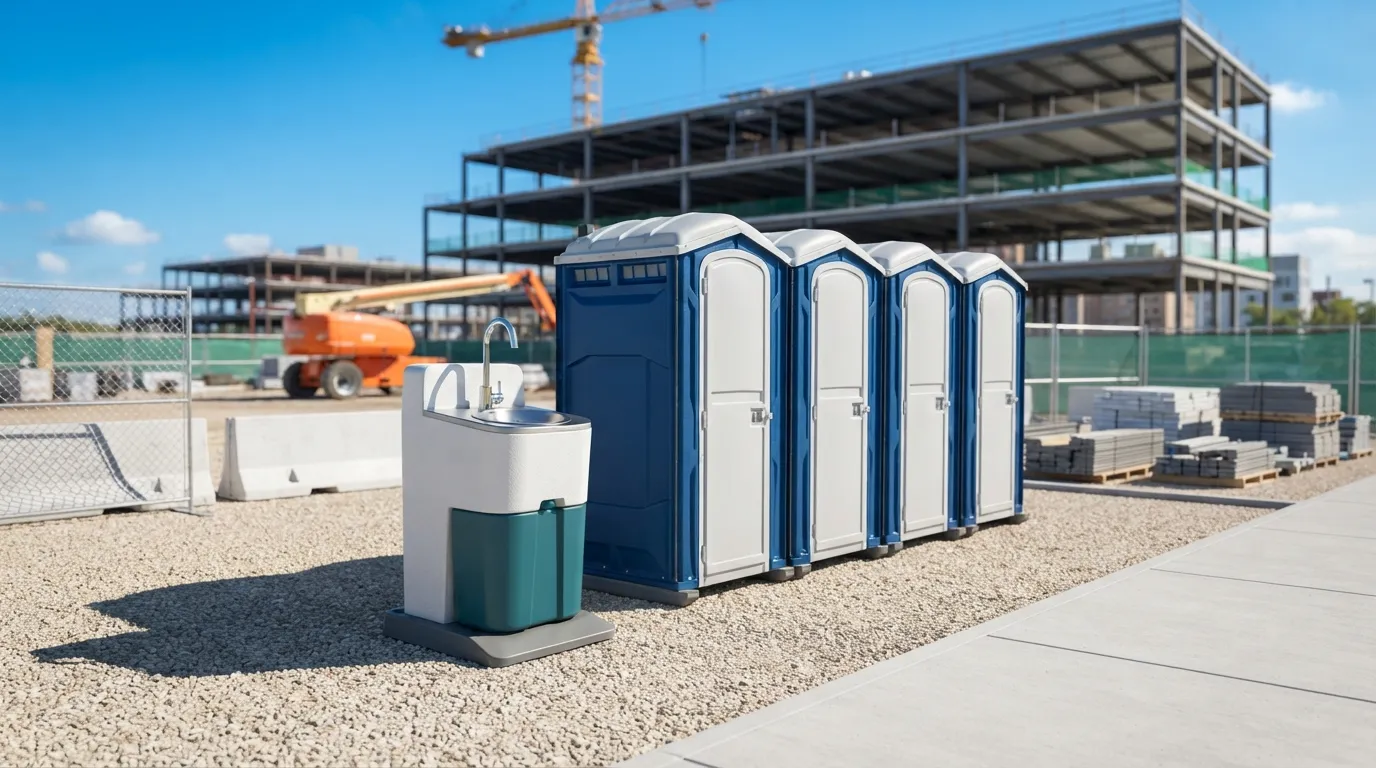
It depends on crew size and hours worked. OSHA 1926.51(c) sets one toilet for 20 or fewer workers, then scales up from there. Use the how many porta potties do I need guide to match crew count to unit count before you sign a monthly contract.
Is delivery included in the monthly price?
Usually not. Delivery is billed separately, typically 120 to 420 dollars for a month-long placement. Ask Seattle Porta Pros to quote delivery and the unit together so there are no surprises on the invoice.
Can I switch from weekly to monthly mid-rental?
Yes, most vendors will convert an active weekly rental to a monthly rate if the job runs long. Ask before your first week ends, since switching early avoids paying weekly rates for a job that was always going to stretch past a month.
Does winter weather change monthly rental service in Seattle?
Service continues year-round, though Seattle sees an average of 24.0 days a year at or below freezing. Tank servicing keeps to the same weekly rhythm regardless of season. Check porta potty in winter for cold-weather specifics.
What happens if I need to extend past a month?
Extensions are common and usually just roll into the next monthly cycle. Request a quote early if your Seattle project timeline is uncertain, since locking in the monthly rate ahead of time is easier than renegotiating mid-job through request a quote.
Next step
Get a delivery date
Tell us the address, the dates and the headcount. We size the order and confirm the route.