
How Often Does a Septic Tank Need Cleaning?
Most homes fall into that 3 to 5 year window. A bigger household pushes the tank toward the shorter end because more water and solids move through it. If you are unsure when yours was last serviced, check the septic tank pumping cost page for what a typical visit runs, and read the septic tank warning signs guide before you decide it can wait another year. Seattle's wet climate does not slow the tank down, but it does complicate access. Seattle averages 37.49 inches of precipitation a year and 91.0 days annually with 0.10 inch or more of rain, so soggy yards are common outside the July-through-September stretch. A pumper needs a firm approach path to the access lid, and standing water around the lid is often the first sign something is backing up. We also handle grease trap pumping for restaurants and commercial kitchens, where fats, oils, grease and solids get pumped once they reach 25 percent of the liquid depth in the interceptor.
What Does Septic Tank Cleaning Actually Involve?
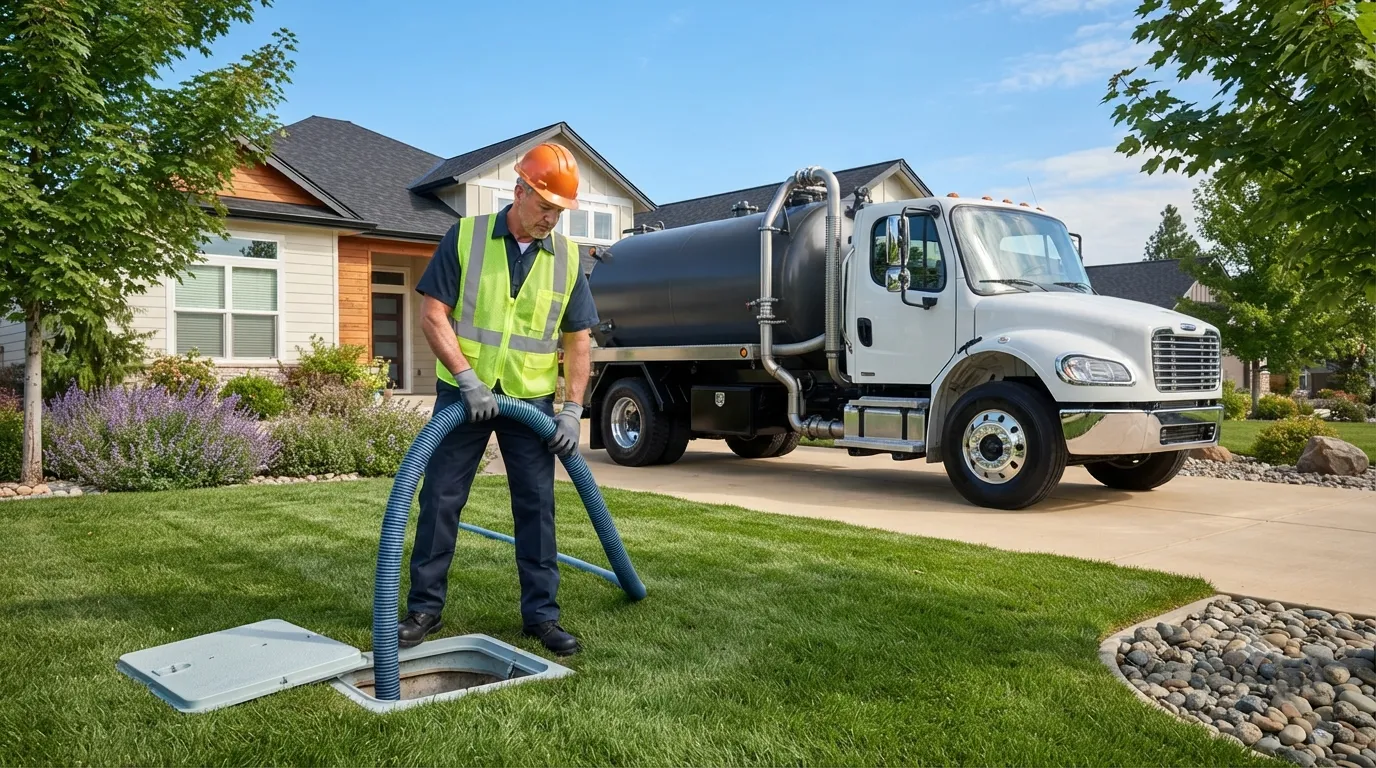
Cleaning means pumping out the liquid and solid layers, then checking the tank walls, baffles and outlet for wear. It is not the same as a quick pump-and-go. A technician opens the lid, pumps the tank down, breaks up the sludge layer if it has hardened, and inspects the filter if your system has one. Cleaning a septic tank filter is part of a full-service visit, not a separate errand, and skipping it is how filters clog and send solids downstream. If your property runs a holding tank instead of a conventional septic system, our holding tank rental page covers setup for construction sites and event grounds. Homeowners doing a renovation that takes the bathroom offline sometimes add a porta john rental or check home renovation porta potty options for the crew. In Washington, on-site sewage systems fall under Department of Health rules in Chapter 246-272A WAC, and pumpers who only service septic and portable systems without land-applying septage are treated differently than biosolids handlers regulated by the Department of Ecology.
Cost of Septic Tank Cleaning
Septic tank cleaning prices in the Seattle area run inside the ranges below. A same-day call tends to cost more than a scheduled morning slot, so booking ahead saves money.
| service | duration | low | typical | high |
|---|---|---|---|---|
| septic pumping | day | $150 | $250 | $300 |
| septic pumping | weekend | $50 | $100 | $150 |
These figures cover the pumping visit itself. Grease trap and larger commercial tanks are quoted separately once we see access and tank size. For a side-by-side on portable sanitation rather than septic, see porta potty rental cost or the porta potty rental per day breakdown, since some job sites need both a temporary toilet and a pumping visit in the same week.
Why Is My Septic Tank Backing Up Between Cleanings?
A backup between scheduled cleanings usually means the tank filled faster than expected, a baffle failed, or the drain field is struggling. Heavy household water use, a garbage disposal running constantly, or roots growing into the line all shorten the interval. Seattle's rain does not fill the tank directly, but a saturated drain field drains slower after the wettest stretches of the year, and 24.0 days a year dip to 32 F or below, which can slow biological activity in the tank during winter months. If backups keep happening faster than the normal 3 to 5 year cycle, that is a sign to call for an inspection, not just another pump-out. We also run emergency septic service for exactly this situation, and the emergency porta potty rental option covers a household that needs a working toilet while the tank gets sorted out.
Do I Need a Permit for Septic Work in Seattle?
Most routine pumping and cleaning does not require a City of Seattle Street Use permit, since the work happens on private property and not in the right-of-way. That changes if a pump truck or holding tank needs to sit in the street or parking lane during the job. Placement of containers and dumpsters in the public right-of-way requires a Street Use permit from the Seattle Department of Transportation under SMC 15.04.010, which makes it unlawful to use any public place without written permission first. Whether that same permit type applies to a septic truck parked briefly at the curb was not confirmed in SDOT's published categories, so if your driveway cannot fit the truck, confirm with the city before scheduling. For dumpster placement specifically during a septic or yard project, see dumpster permit requirements and porta potty permit requirements for the portable toilet side of the same question.
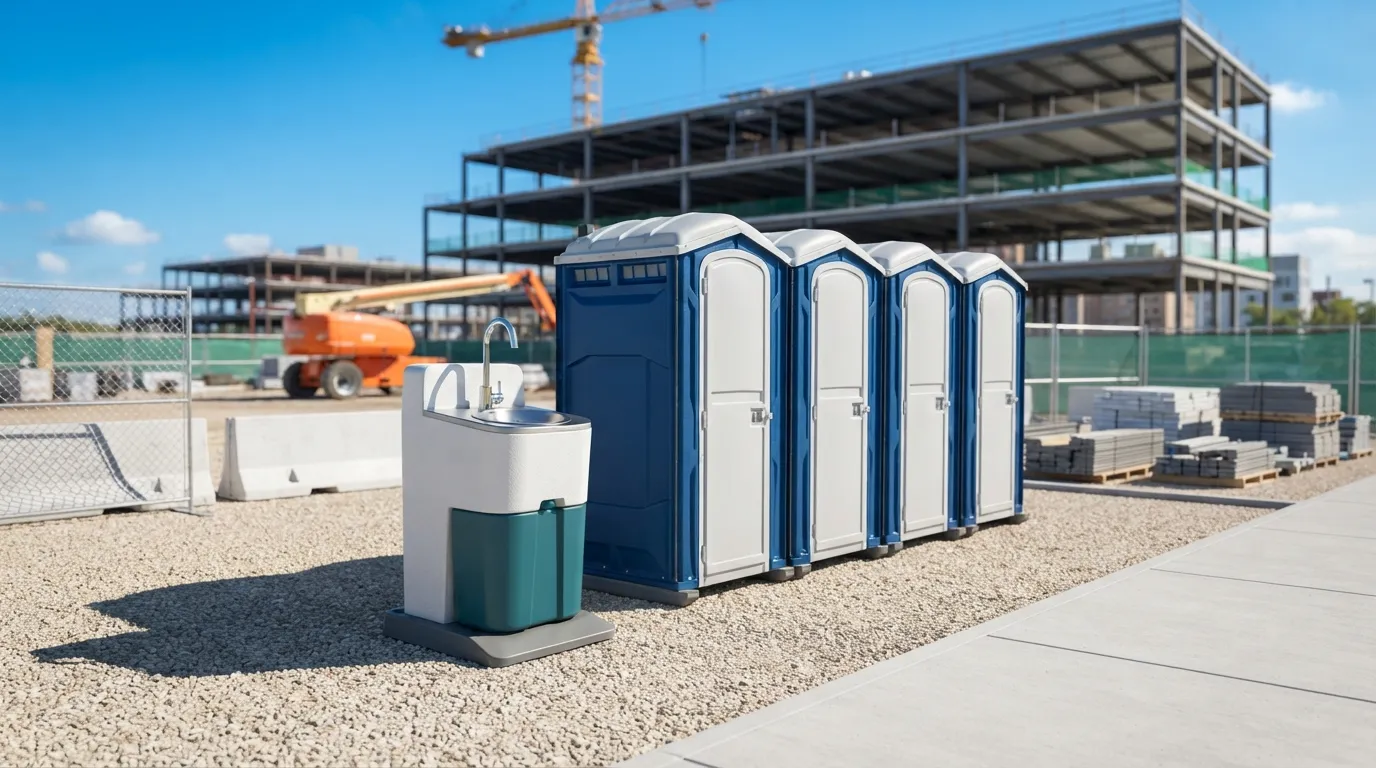
Construction and renovation projects around Seattle often need septic work paired with other site services. If you are managing a larger job, construction site services bundles septic, fencing and sanitation into one scope, and temporary fence rental or chain link temporary fence secures the excavation area while the tank is open. For crews needing washup after the work, handwashing station rental and portable sink rental cover general handwashing, though OSHA 1926.51(f)(1) washing facility requirements only apply specifically where workers handle paints, coatings, herbicides or insecticides, not septic work itself. Roll-off needs during a septic replacement are common too; check roll-off dumpster rental or the 10 yard dumpster rental size for smaller digs.
How much does septic tank cleaning cost in Seattle?
A standard pumping visit runs in the range shown above for a residential tank, with weekend service priced differently than a weekday appointment. Larger tanks, grease interceptors, or long driveways with poor truck access can push the price higher once we see the site.
How often should I schedule septic tank cleaning?
Every 3 to 5 years for most residential tanks, based on tank size and household size. Larger households or heavy water use shorten that interval, so track your last service date and call before year five if you are unsure.
What happens if I skip cleaning my septic tank filter?
The filter clogs, solids push downstream toward the drain field, and you risk a backup that costs far more to fix than routine cleaning. Filter cleaning is part of a standard service visit, not an add-on.
Can I find septic tank cleaning near me on short notice?
Yes, we cover Seattle and nearby cities including Mercer Island, 8.9 miles southeast, and Shoreline, 11.8 miles north. Same-day slots depend on truck availability, so call early in the day for the best chance.
Is septic tank cleaning different from septic pumping?
Pumping removes the liquid and settled solids. Cleaning includes that pump-out plus a check of baffles, the outlet, and the filter if one is installed, so it is the more thorough of the two.

Next step
Get a delivery date
Tell us the address, the dates and the headcount. We size the order and confirm the route.