
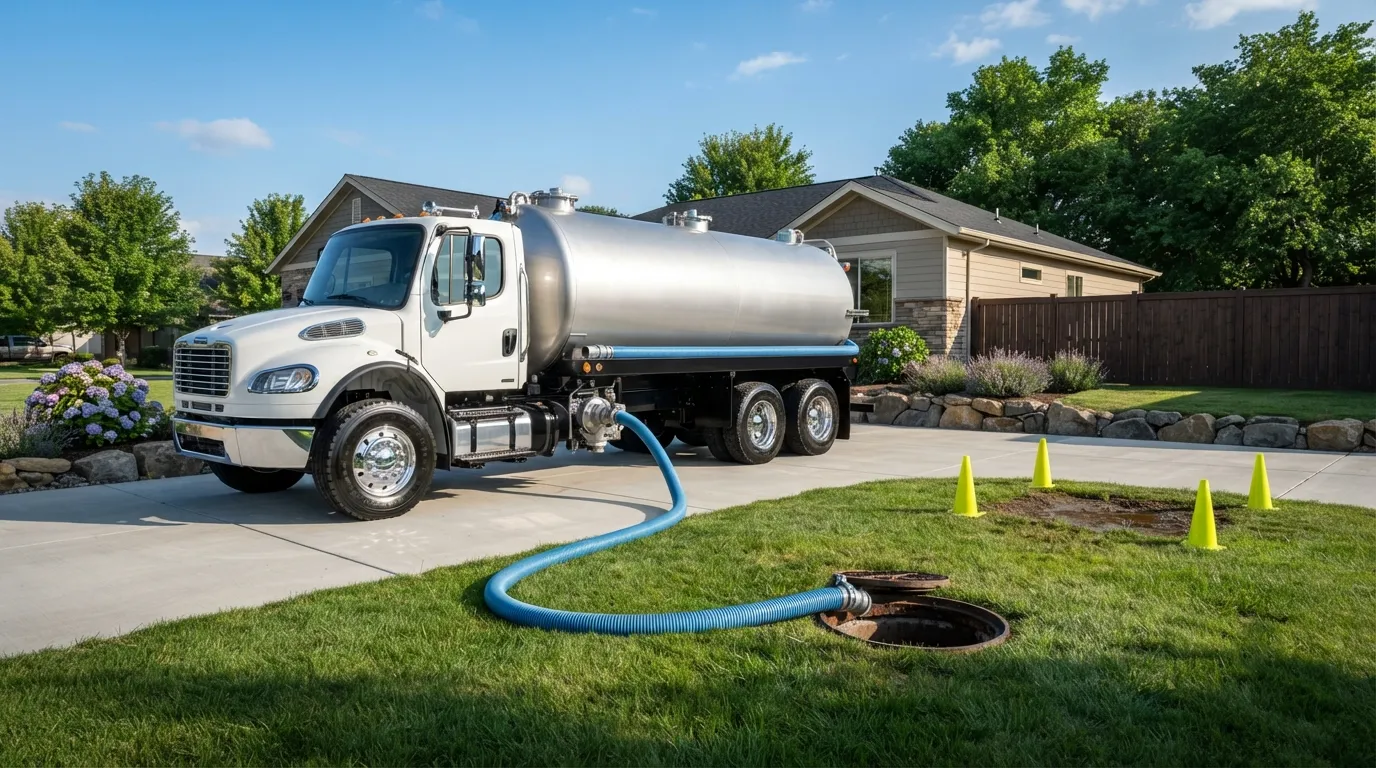
Is there an emergency septic tank pumping service near me?
Seattle Porta Pros answers that search directly: yes, we run an emergency septic pumping service near me call list for Seattle addresses, and dispatch works the same way whether you are searching for 24 hour septic tank cleaning near me at 2 a.m. or booking ahead for daytime work. Crews based here handle it, not a call center routing an emergency septic pumping service near Texas or an emergency septic pumping service near California request to a city we do not actually serve.
What counts as a septic emergency?
A backup into the house, sewage surfacing in the yard, or a holding tank that hits capacity mid-event all count. So does a grease interceptor at a restaurant that is near the 25 percent fats-oils-grease threshold that triggers pumping. If you smell it before you see it, treat it as urgent. Residential tanks are typically pumped every 3 to 5 years depending on tank size and household, per our septic pumping service guide, but a full tank between scheduled visits does not wait for the next cycle. Renovation jobs across Seattle sometimes trigger this too, when a home renovation porta potty setup gets overloaded and the holding side backs into a septic line. If you are not sure whether what you are looking at is a tank problem or a line problem, check our septic tank warning signs page before you call, it saves time on-site. Restaurants and food service accounts should also read grease trap pumping since the interceptor schedule differs from a residential tank.
How fast can Seattle Porta Pros get a truck out?
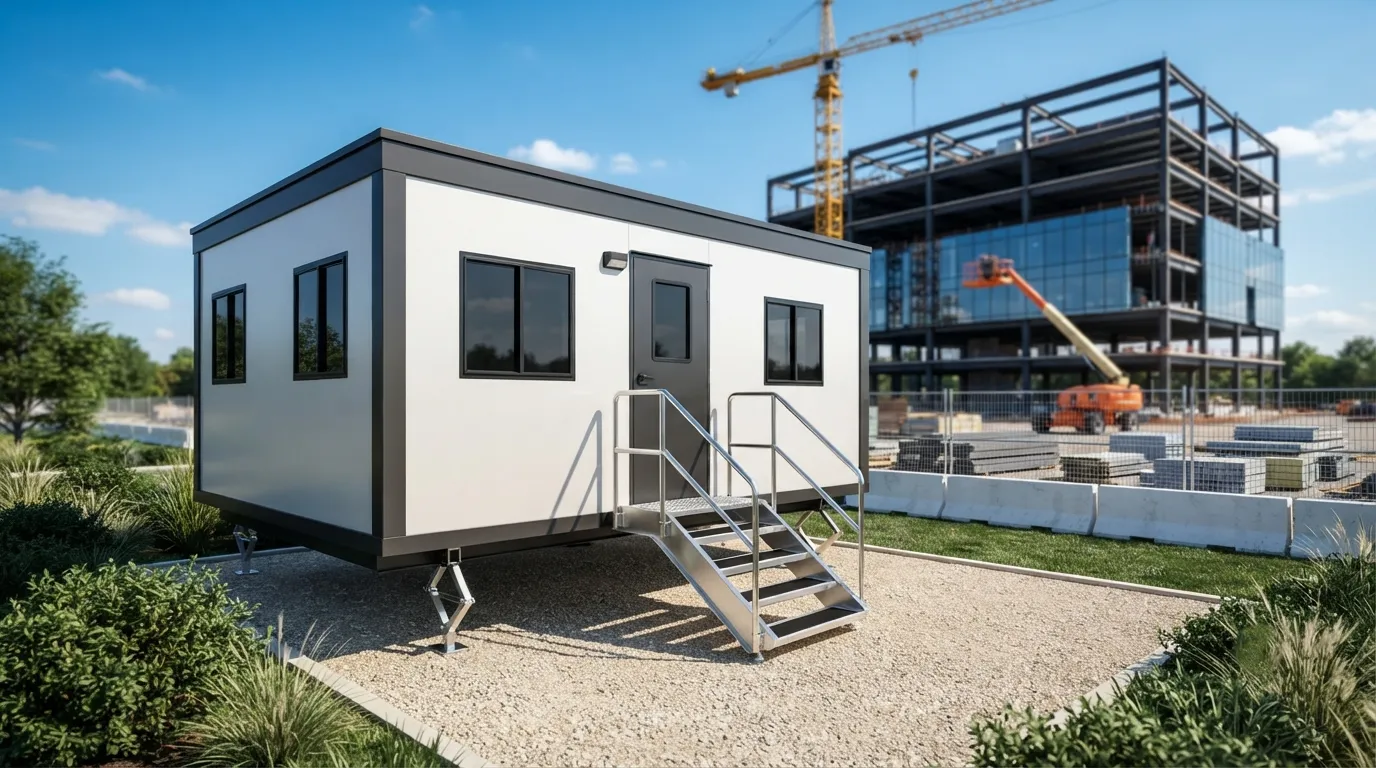
Dispatch aims for same-day response inside Seattle city limits, and weekend service is available at a flat rate in the $50 to $150 range depending on access and volume. Mercer Island sits 8.9 miles southeast of Seattle and Shoreline is 11.8 miles north, both inside our normal response radius, so distance rarely adds delay for close-in jobs. Burien, 12.4 miles south, and SeaTac, 15.3 miles south, are also routine calls. For jobs further out, like Issaquah at 16.7 miles east or Federal Way at 26.1 miles south, tell dispatch the address up front so we can route the right truck. If your project already has a scheduled pump and you just need to move the date up, see how often to pump a septic tank for the interval logic, then call anyway. A tank that is already close to full does not benefit from waiting for the "normal" slot.
Do I need a permit for emergency septic work in Seattle?
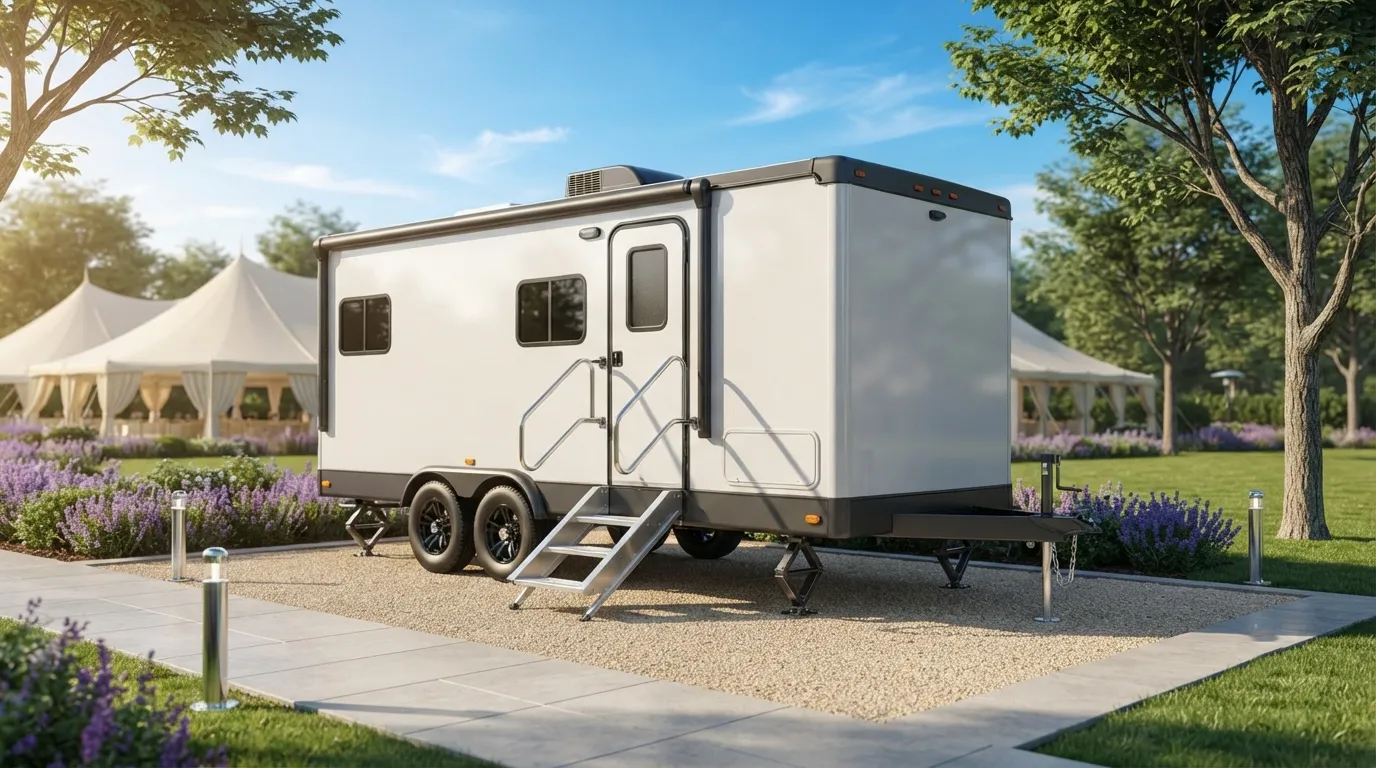
No permit covers the pumping itself. Emergency septic pumping is a service call, not a placement in the public right-of-way, so it does not trigger Seattle's Street Use permit process the way a dumpster or storage container placement does. That said, if your emergency also involves a temporary holding tank or portable toilet staged on the street rather than your property, Seattle Municipal Code 15.04.010 makes it unlawful to use a public place without a permit from Seattle Department of Transportation (SDOT), and placement rules require staying at least 30 feet from intersections, 10 feet from driveways and 15 feet from fire hydrants. Our porta potty permit requirements page and dumpster permit requirements page both walk through when SDOT gets involved. On the regulatory side, on-site sewage systems fall under the Washington State Department of Health, while land application of septage is governed separately by the Washington State Department of Ecology, which prohibits applying septage to lawns or home gardens.
What happens during an emergency pump-out?
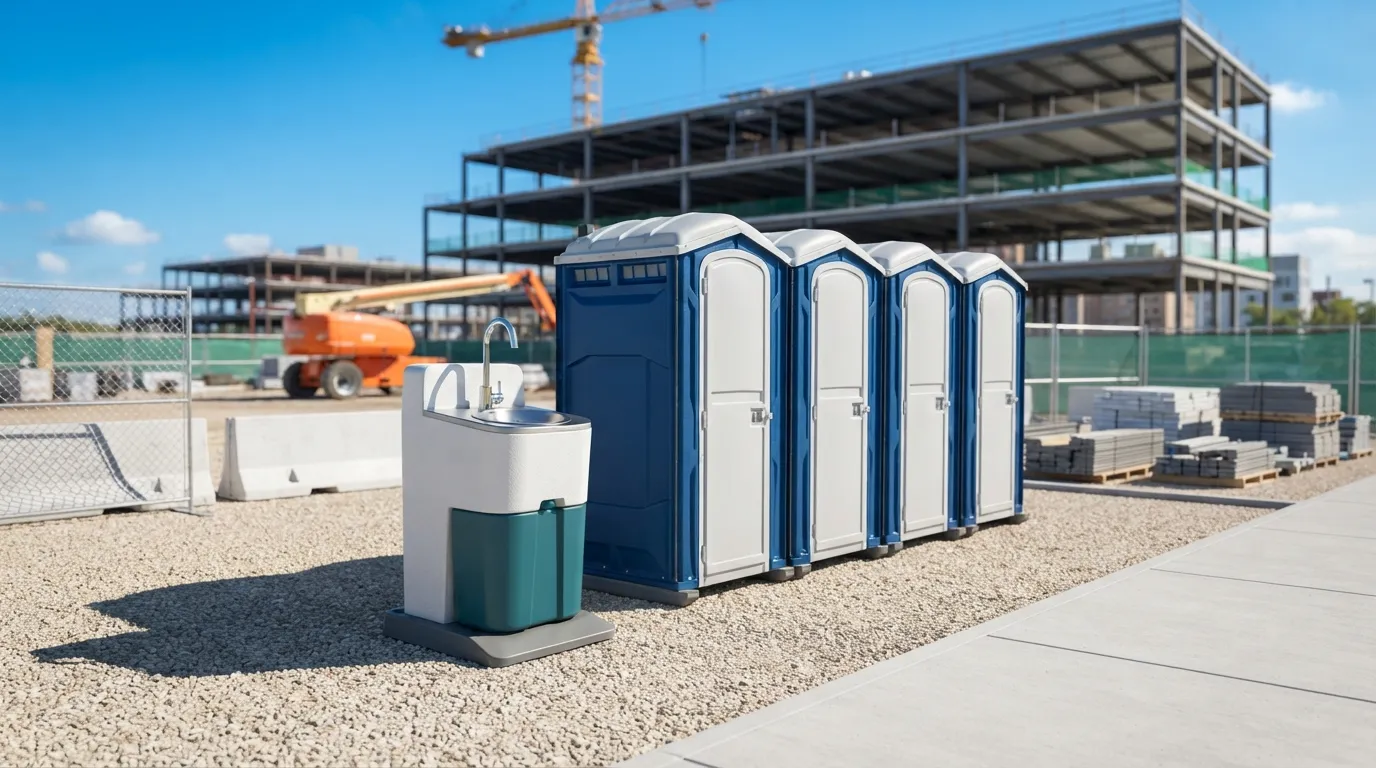
A tech pumps the tank, checks the baffles and lines for the obvious cause, and tells you straight whether it is a one-time overload or a sign the tank needs a fuller inspection. If the site also needs a temporary fix, like a holding tank rental while a system gets repaired, we can stage one the same visit. Construction sites juggling an emergency septic issue alongside regular facility needs should also look at construction site services for the full picture, since OSHA 1926.51(c) sets toilet facility ratios for job sites and a septic failure can knock out the compliant count fast. If contaminants like paints or coatings are involved anywhere on-site, OSHA 1926.51(f)(1) covers washing facilities specifically for that exposure, and 29 CFR 1910.141(d)(2) requires soap and towels or a hand-drying device at any washing station, sanitizer alone does not meet that. For a full-day event that suddenly loses restroom capacity, our emergency porta potty rental page covers backup units while the septic side gets sorted, and event restroom rental has planning details for organizers who want to avoid a repeat.
How much does emergency septic service cost in Seattle?
| service | duration | typical range |
|---|---|---|
| emergency pump-out | day | $150 to $300 |
| emergency pump-out | weekend | $50 to $150 |
Costs shift with tank access, volume pumped and time of day. See septic tank pumping cost for the full breakdown.
Is this the same as regular septic tank cleaning?
No. Regular septic tank cleaning is scheduled maintenance on a 3 to 5 year cycle. Emergency service responds to an active backup or overflow, usually same-day, and costs more per visit because it is unscheduled.
Do you serve areas outside Seattle?
Yes. We cover towns including Shoreline, Burien, SeaTac, Mercer Island, Issaquah, Lynnwood, Edmonds, Bothell, Sammamish and Federal Way. Check service areas or your specific city page like porta potty rental in Issaquah for driving distance and coverage.
Can a full septic tank cause a health hazard?
Yes. Sewage backup exposes people to pathogens and contaminates soil and water. Treat any surfacing sewage as urgent, keep people and pets away from the area, and call for pumping immediately rather than waiting for a scheduled visit.
What if my emergency is a grease trap, not a septic tank?
Grease interceptors get pumped once fats, oils, grease and solids reach 25 percent of liquid depth, and that threshold gets hit faster than most owners expect. See grease trap pumping for schedule guidance and emergency response for restaurant and food service accounts.
Next step
Get a delivery date
Tell us the address, the dates and the headcount. We size the order and confirm the route.