
Why Rent a Porta Potty for a Home Renovation?
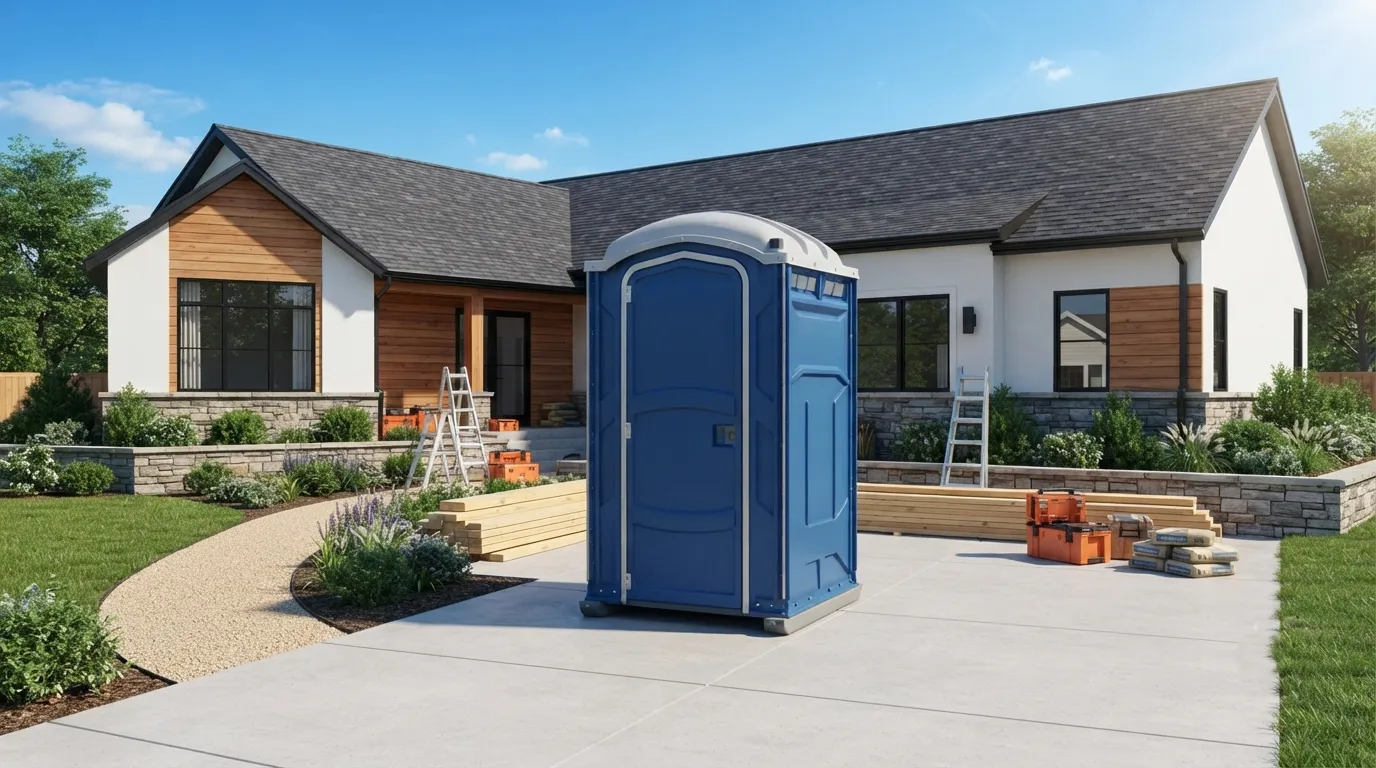
A kitchen gut job or a full addition keeps a crew on your property for weeks. Sending four guys inside to use your one bathroom every hour slows the work and wears out your patience. A standard porta potty rental solves that. It sits in the driveway or side yard, holds a 60 to 70 gallon tank, and stands about 92 inches tall on a 44 by 48 inch footprint, so it fits most Seattle side yards without blocking a walkway.
OSHA 1926.51(c)(1) sets the construction industry ratio: one toilet for 20 workers or fewer. A two or three person remodel crew clears that easily with a single unit, but bigger jobs with subcontractors on site at once should check the ratio before ordering. If the crew is painting, staining, or applying coatings and needs washup after contact with those materials, OSHA 1926.51(f)(1) covers washing facilities for that specific exposure, and a handwashing station rental or portable sink rental handles it. For general renovation dust and daily hygiene, a simple porta potty for home use covers most of what a Seattle homeowner needs. Some people search for a "home depot porta potty rental" expecting a big box store to carry this. Home Depot does not rent portable toilets; a site services company like Seattle Porta Pros delivers, services, and picks up the unit on your schedule instead.
Do I Need a Permit for a Porta Potty at My Seattle Home?
Maybe, depending on where it sits. If the unit stays entirely on your private property, driveway, or yard, you're generally in the clear. If it needs to sit in the street or public right-of-way, Seattle requires a Street Use permit issued by the Seattle Department of Transportation before delivery, and the placement rules for containers in the right-of-way require 30 feet from intersections, 10 feet from driveways, and 15 feet from fire hydrants. SDOT names storage containers and residential dumpsters specifically in its Street Use container permit; whether a portable toilet falls under that same product or a different category was not confirmed in SDOT's published materials, so check with the city directly if the unit can't stay on your lot. The same right-of-way rule applies if you're also bringing in a storage container rental or a 20ft storage container for the job. Seattle Municipal Code 15.04.010 makes it unlawful to use any public place without a written permit, and that includes containers and dumpsters parked at curbside. If you're renting the home out during the remodel and tenants or workers are coming and going, a temporary fence for rental house or temporary fence for rental home around the work zone keeps the site secured and keeps foot traffic away from open trenches or stacked material, and a dumpster permit requirements page walks through the container side of this in more detail.
What Else Do Renovation Projects Need Beyond the Toilet?
Most Seattle remodels need more than one rental. A roll-off dumpster rental handles demo debris, and a 10 yard dumpster rental is common for a single-room job while a 20 yard dumpster rental suits a full gut renovation. Check what cannot go in a dumpster before you load it, since paint, tires, and certain chemicals aren't accepted. A roll-off delivery needs about 60 feet of straight clearance behind the truck, so clear the driveway before the truck shows up.
If the job touches your septic system, home septic tank cleaning matters too. A residential septic tank is typically pumped every 3 to 5 years depending on tank size and household size, and if a renovation adds a bathroom or bumps up household use, it's worth having the tank checked before, not after, the work starts. See septic pumping service or septic tank pumping cost for what that runs.
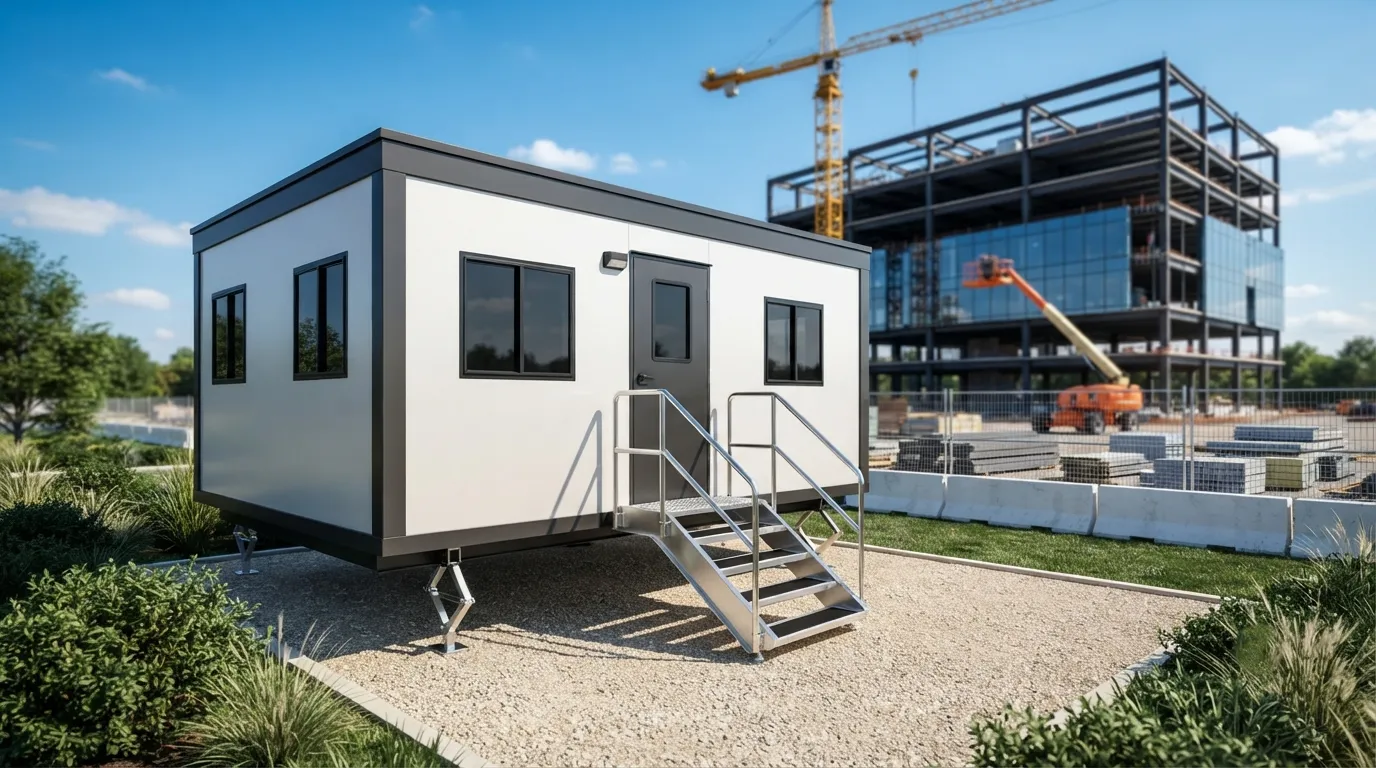
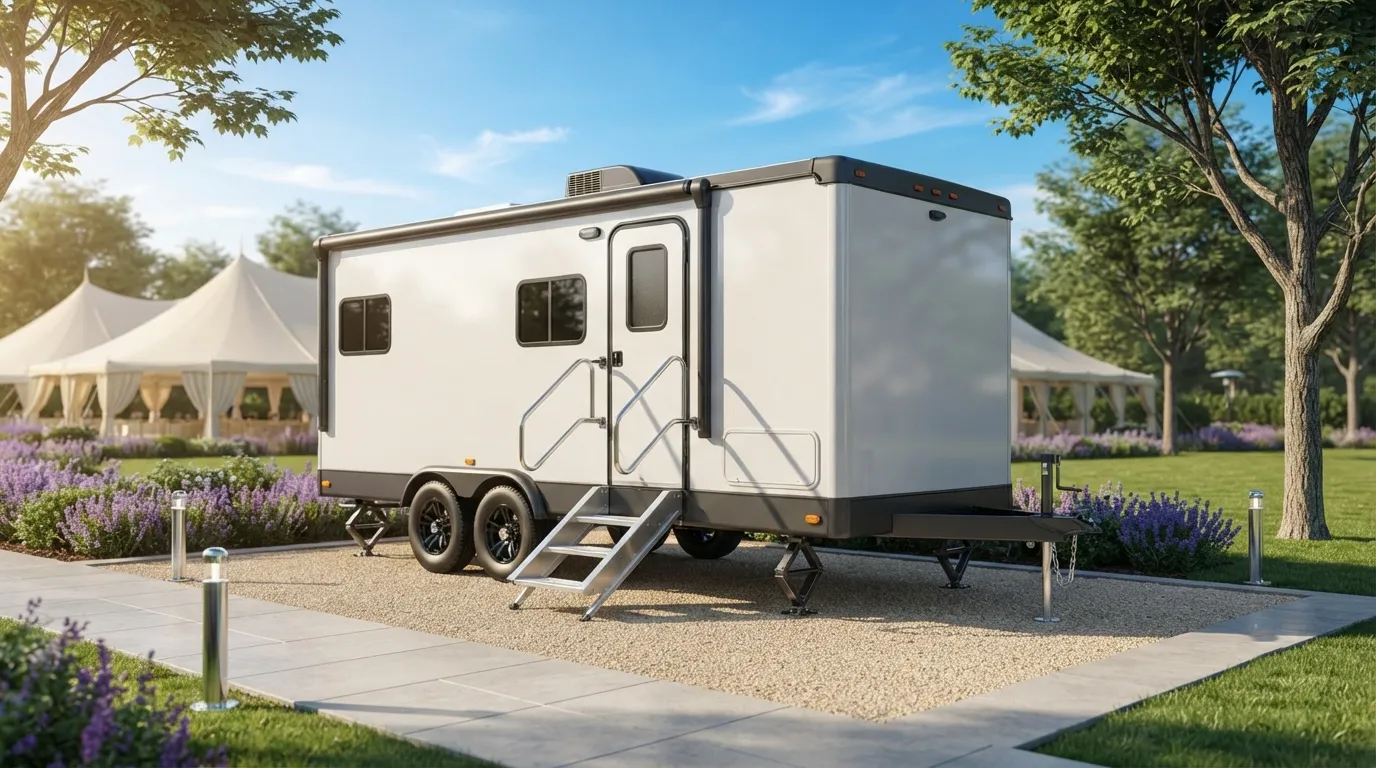
Larger renovation crews, or homeowners displaced from their own bathroom for an extended stretch, sometimes look into a mobile shower trailer for homeless family members staying on-property during construction, or a homeless shower trailer setup for a crew bunking on site. A shower trailer rental or restroom trailer rental covers that need with real plumbing and hot water. Some homeowners also convert or bring in a mobile office trailer converted to home use as temporary living space during a full rebuild; a mobile office trailer rental is the way to source that unit locally, separate from the toilet and dumpster order.
How long can I rent a porta potty for my renovation?
As long as the job takes. Renovation rentals commonly run by the week or month rather than the day. A monthly porta potty rental is the standard pricing structure for jobs running more than a few weeks, and swapping to weekly or daily billing usually costs more per day, not less.
Where does the porta potty go on my property?
Driveways and side yards work well since delivery trucks need flat, stable ground and a clear path. Keep it off septic drain fields and away from windows. The porta potty placement guide covers ground clearance and access needs in more depth.
Does a home renovation porta potty need to be ADA accessible?
Not usually, for a private residential job with no public access. ADA Standards 213.2 applies where units are clustered for public use, like job sites open to the public or events. A standard porta potty rental is fine for a private home crew.
How much does a home renovation porta potty cost in Seattle?
Expect $100 to $350 a day or $130 to $500 a week for a standard unit, with monthly rates from $125 to $325. Exact pricing depends on rental length and service frequency. See porta potty rental cost for the full breakdown.
Can I get emergency delivery if my renovation timeline changes?
Yes, many renters need next-day or same-day delivery when a project schedule shifts. Emergency porta potty rental covers rush orders when your crew shows up and there's nothing on site yet.
Next step
Get a delivery date
Tell us the address, the dates and the headcount. We size the order and confirm the route.