

How much does septic tank pumping cost in Seattle?
For a standard residential job, expect a day-rate call between 150 and 300 dollars, with 250 as the typical figure we see. That is a service visit, not a monthly plan, and it covers a tank that has not been neglected for a decade. If your place hasn't been pumped in years, or the tank backs up hard, expect the higher end. A 1,000 gallon septic tank pumping cost sits in that same band; tank size matters less than how much solid buildup has accumulated. Seattle homes on septic tend to be older builds outside the sewer grid, often on larger lots east toward Issaquah, 16.7 miles from downtown, or south past Burien, 12.4 miles out. If you are weighing a rental holding tank instead of a straight pump-out, see holding tank rental options, or check emergency septic service if you are past the point of routine maintenance.
What drives septic tank cleaning prices up or down?
Access and buildup are the two big ones. If the lid is buried under landscaping or a deck, expect extra time and possibly extra cost, since the crew has to dig or pry before the truck can even start. Tank size and household size drive the pumping interval too: a 1,000 gallon tank serving two people lasts longer between pumps than the same tank under six people. Washington's Department of Health regulates on-site sewage systems under Chapter 246-272A WAC, with statutory backing from Chapter 70A.105 RCW, and that framework is what your local health jurisdiction leans on when it sets septic maintenance expectations. If your issue is closer to a restaurant grease interceptor than a home septic tank, that is a different job. A grease interceptor gets pumped once fats, oils, grease and solids hit 25 percent of the liquid depth, and that page lives at grease trap pumping, not here. For comparison shopping on other site services, our dumpster rental cost and storage container rental cost pages break down similar day, week, and month pricing.

How often should a septic tank be pumped?
Every 3 to 5 years for a typical residential tank, driven mostly by tank size and how many people live in the house. Smaller households can sometimes stretch that interval; larger ones or homes running a lot of laundry and dishwasher cycles often need it sooner. If you are noticing slow drains, gurgling, or standing water near the drain field, do not wait for the calendar. Our septic tank warning signs page covers what to watch for, and how often to pump a septic tank goes deeper into the math behind the interval. Seattle's wet weather adds pressure to drain fields too. NOAA climate normals for Seattle-Tacoma International Airport show 91 days a year with 0.10 inch or more of precipitation, the highest of five Pacific Northwest cities in our data, and that much groundwater saturation can slow drainage and mask early warning signs of a tank that needs attention sooner than usual.

Do I need a permit for septic pumping in Seattle?
No permit is required to have your tank pumped. Pumping is a maintenance service, not construction, and it does not touch Seattle's Street Use permit system, which governs things like storage container rental or roll-off dumpster rental placed in the right-of-way. Those permits, administered by the Seattle Department of Transportation under Seattle Municipal Code Title 15, apply to containers and dumpsters sitting in a public parking space or lane, not to a septic truck parked in your driveway for an hour. If a project on your property later needs a dumpster for excavation debris around a failed drain field, check dumpster permit requirements before ordering, since SMC 15.04.010 makes it unlawful to use a public place without a permit first. Companies that only pump septic tanks and portable toilets, and do not treat or land-apply the septage themselves, fall outside Washington Department of Ecology's biosolids management permit requirements, according to Ecology's published biosolids guidance.
Is septic pumping cheaper than replacing a drain field?
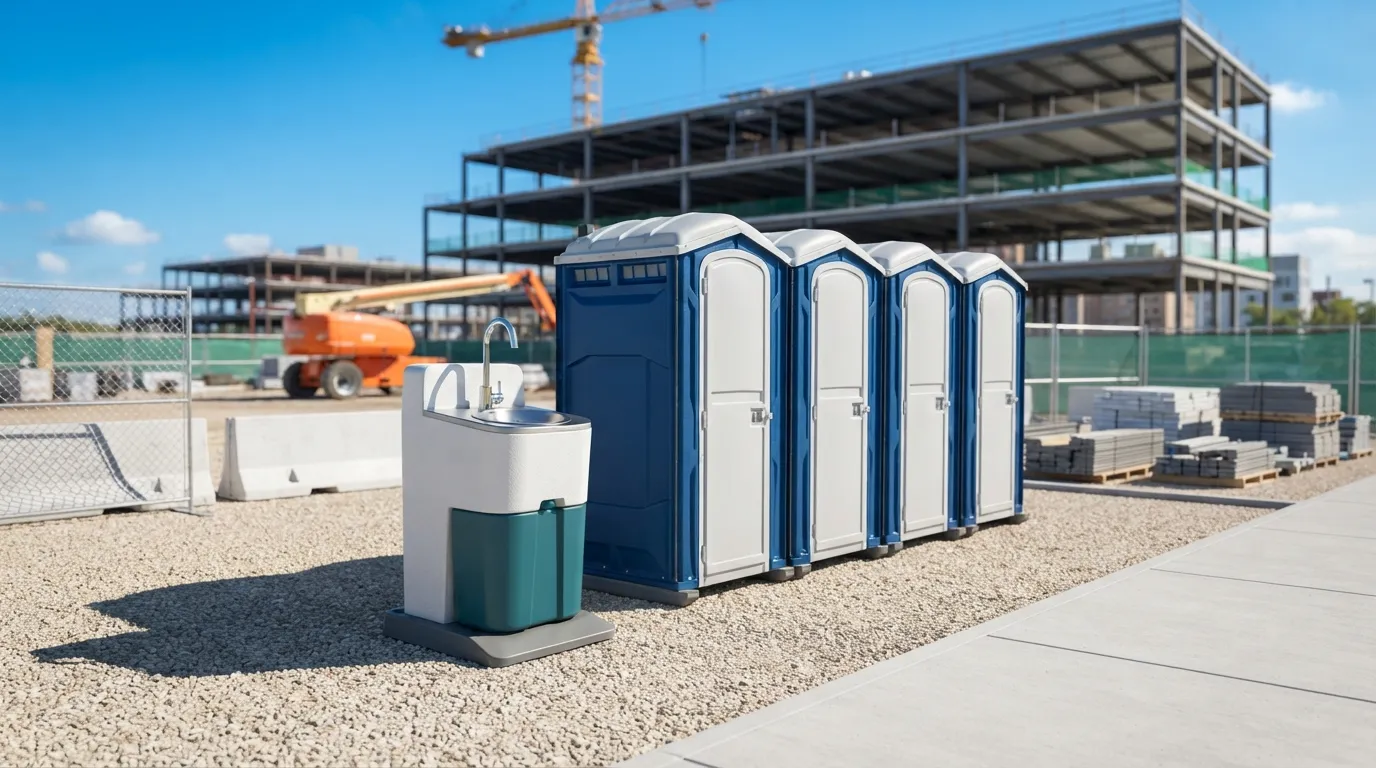
Yes, by a wide margin, and that is the whole point of staying on a pumping schedule. A pump-out at 150 to 300 dollars is cheap insurance against a drain field failure, which involves excavation, new piping, and often a permit process that dwarfs a service call. Letting solids build past the point of no return is what pushes a tank from routine maintenance into full system replacement. If you are running a job site near a septic system and need interim sanitation while access is limited, a portable toilet rental or standard porta potty rental can bridge the gap without putting more load on a stressed tank. For renovation work that disturbs the yard or drain field area, see home renovation porta potty for a simple stopgap while the ground settles.
Septic problems rarely happen at a convenient time, and neither does the truck access. Seattle's older neighborhoods, especially ones built before sewer lines reached them, still lean on tanks that were sized for smaller households decades ago. If your property sits closer to Mercer Island, 8.9 miles southeast, or up toward Shoreline, 11.8 miles north, drive time to your address factors into scheduling but not into the pump-out price itself. For related cleaning and pumping questions, septic tank cleaning and septic pumping service cover the process end to end, from truck setup to disposal.
How much does it cost to pump a 1,000 gallon septic tank?
A 1,000 gallon tank falls into the same day-rate band as most residential jobs: 150 to 300 dollars, with 250 typical. Tank size alone rarely changes the price much; what matters more is how full it is and how easy the lid is to reach.
How do I know if my septic tank needs pumping?
Slow drains, gurgling pipes, sewage odor near the tank, or soggy patches over the drain field are the classic signs. Waiting past those signs risks backup into the house. See septic tank warning signs for the full list.
Can I schedule septic pumping on a weekend?
Weekend availability varies by crew and route, and weekend service typically carries a premium over a weekday call. A 150 to 300 dollar weekend rate sits at the lower end for septic specifically. Call ahead since weekend slots fill fast.
Does Seattle require a permit for septic tank pumping?
No. Pumping is maintenance, not right-of-way work, so it does not trigger the SDOT Street Use permit that applies to containers and dumpsters. Drain field repairs or excavation are a different matter and may need review.
What is the difference between septic pumping and septic cleaning?
Pumping removes liquid and settled solids from the tank. Cleaning sometimes refers to the same service, but a thorough job also checks baffles and inlet or outlet pipes. Both terms describe the same core visit in most cases.
Next step
Get a delivery date
Tell us the address, the dates and the headcount. We size the order and confirm the route.