
How much does a 20 yard dumpster weigh empty?
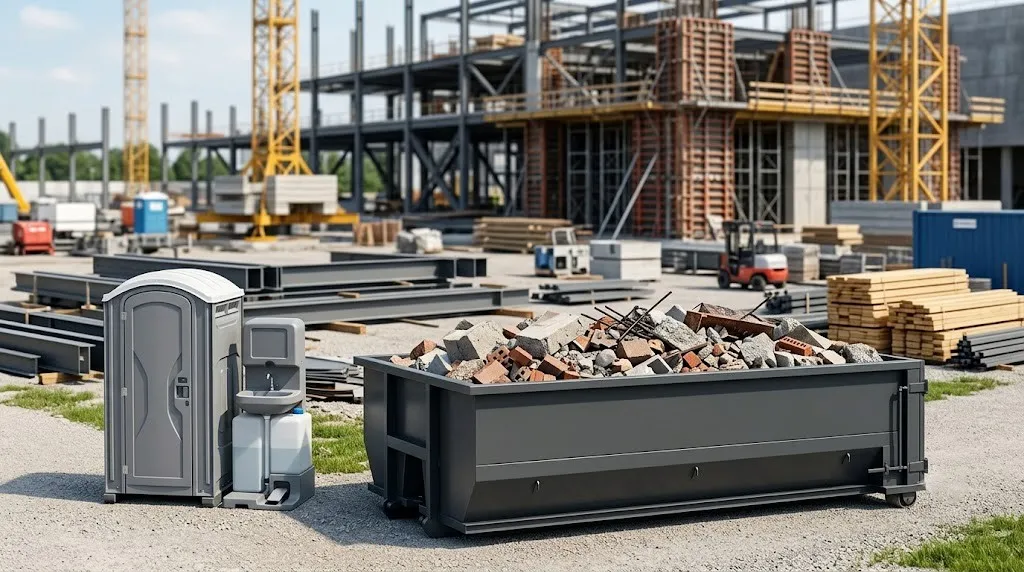
An empty roll-off has real steel weight before you ever load a shingle or a stud. That tare weight matters because the scale ticket at disposal reads total weight, not just what you threw in, and haulers subtract the container's own weight to bill you fairly. Seattle Porta Pros weighs every unit before delivery so the numbers on your invoice match the truck, not an estimate. If you're comparing box sizes for a remodel, our dumpster sizes and dimensions page breaks down footprint alongside capacity, which matters on tight Seattle lots where the truck needs roughly 60 feet of straight clearance behind it to drop the box.
Most residential jobs in Seattle land in the 10 to 20 yard range, and a lot of them start at our porta potty rental page since debris boxes and toilets often get ordered together for the same site. A kitchen tear-out or a roof job rarely needs more than a 20 yard dumpster rental, while a full basement clean-out sometimes pushes toward a 30 yard dumpster rental. Either way, check our dumpster rental cost page before you order, because overage fees on a misjudged load cost more than renting one size up would have.
How many tons does a 20 yard dumpster hold?
A 20 yard dumpster is built for roughly 2 to 3 tons of mixed debris before overage charges apply, though the exact cap depends on what's inside the box. Dense material like concrete or wet drywall hits that ceiling fast, while bulky but light debris like furniture or cabinetry rarely gets close. Seattle Porta Pros sets the tonnage limit on your rental agreement before delivery, not after the scale ticket comes back.
Mixed construction debris, common on remodel jobs across Seattle, tends to run heavier than people expect because of hidden weight in tile, old flooring and plaster, which is one reason our construction site services page covers dumpsters alongside toilets and fencing as one package. If your load is mostly yard waste or packing material, a 10 yard dumpster rental often handles the volume without the tonnage risk of a bigger box. For active job sites juggling multiple trades, our construction dumpster rental guide covers how crews split waste to stay under weight limits without renting a second container. Know what you're loading, too. Certain materials are barred outright, which our what cannot go in a dumpster page lays out plainly.
How many tons can a 30 yard dumpster hold?
A 30 yard dumpster typically carries around 3 to 4 tons before hitting overage territory, making it the size most contractors reach for on full remodels or roofing tear-offs with heavy shingle debris, similar in scale to what a crew running a home renovation porta potty job might order alongside it. That extra volume over a 20 yard box doesn't mean unlimited weight allowance, and it's worth comparing against a standard porta potty rental order if the same site needs sanitation too. The tonnage cap is set by the hauler's disposal agreement, and Seattle Porta Pros spells that cap out on the rental paperwork so there's no surprise invoice.
Roofing crews working anywhere from downtown Seattle out to Mercer Island, 8.9 miles southeast, often underestimate how heavy old shingles get once wet. A single layer of asphalt shingles across a modest roof can eat most of a 30 yard dumpster's weight allowance before the box even looks full. Same story with concrete or brick from a driveway demo. If your job spans multiple structures or phases, pair the dumpster with temporary fencing to keep the site secured between hauls, and check dumpster permit requirements before delivery, since placement in the right-of-way in Seattle needs sign-off from the Seattle Department of Transportation under SMC 15.04.010.
How many tons does a 40 yard dumpster hold?
A 40 yard dumpster generally holds around 4 to 5 tons, the highest capacity in the standard roll-off lineup and the size most often used for large commercial demo or new construction cleanup, the kind of job that also calls for a temporary power pole and a light tower rental on site. It's the box crews reach for when a job produces high volume but relatively light material, like framing lumber, drywall scrap or packaging. Load it with something dense like tile or masonry debris and you'll hit the weight cap long before the box fills visually.
Because a 40 yard container is large, delivery access matters more in Seattle than in a wide-open lot, the same way access matters when placing a storage container rental on a tight lot. Placement rules for containers in the public right-of-way require staying at least 30 feet from intersections, 10 feet from driveways and 15 feet from fire hydrants, per SDOT's container permit standards. Our 40 yard dumpster rental page covers site access requirements in more detail. For jobs where weight is the bigger concern than volume, splitting debris across two smaller boxes sometimes beats one oversized container, and our dumpster rental cost page shows how that pencils out. Crews working sites out toward Burien, 12.4 miles south, or SeaTac, 15.3 miles south, should confirm the same access rules apply before delivery, and can check our service areas page for coverage details.
How do I know if my load is too heavy?
Watch the fill line, not just visual volume. If dense debris like concrete, tile or wet drywall is filling the box past halfway, you're likely near the tonnage cap even though there's visible room left. Seattle Porta Pros can advise on load mix by phone before the truck ever leaves the yard, and you can also start that conversation through our request a quote form.
What happens if I go over the weight limit?
You'll be billed for the overage tonnage at the rate listed in your rental agreement. There's no penalty beyond that extra charge, but it can add up fast on dense material. Ask about your container's specific cap before loading, especially with concrete or roofing debris, or check our contact page for the fastest way to reach a dispatcher.
Can I mix concrete and regular construction debris in one dumpster?
Usually not in the same box without hitting weight limits fast. Concrete, brick and dirt are dense enough that they need dedicated heavy-debris containers in most cases. Ask Seattle Porta Pros which container type fits a mixed-material job before you order, and see our FAQ page for more on how weight caps get set.
Does dumpster rental work the same in Seattle as in Dayton or San Antonio?
Container sizes and tonnage caps are consistent nationally, whether you're renting in Dayton, Ohio, San Antonio, or here in Seattle. What changes is local permitting. Seattle requires a Street Use permit through SDOT for containers placed in the public right-of-way, which not every city requires, a topic covered in more depth on our dumpster permit requirements page.
How do I avoid overage fees altogether?
Order the next size up if your debris is dense, and ask Seattle Porta Pros for a weight estimate based on your material type before delivery. It's cheaper to rent a bigger box up front than to pay per-ton overage after the fact, and our about page has more on how Seattle Porta Pros prices that estimate.
Next step
Get a delivery date
Tell us the address, the dates and the headcount. We size the order and confirm the route.