Do I need a permit for a dumpster in Seattle?
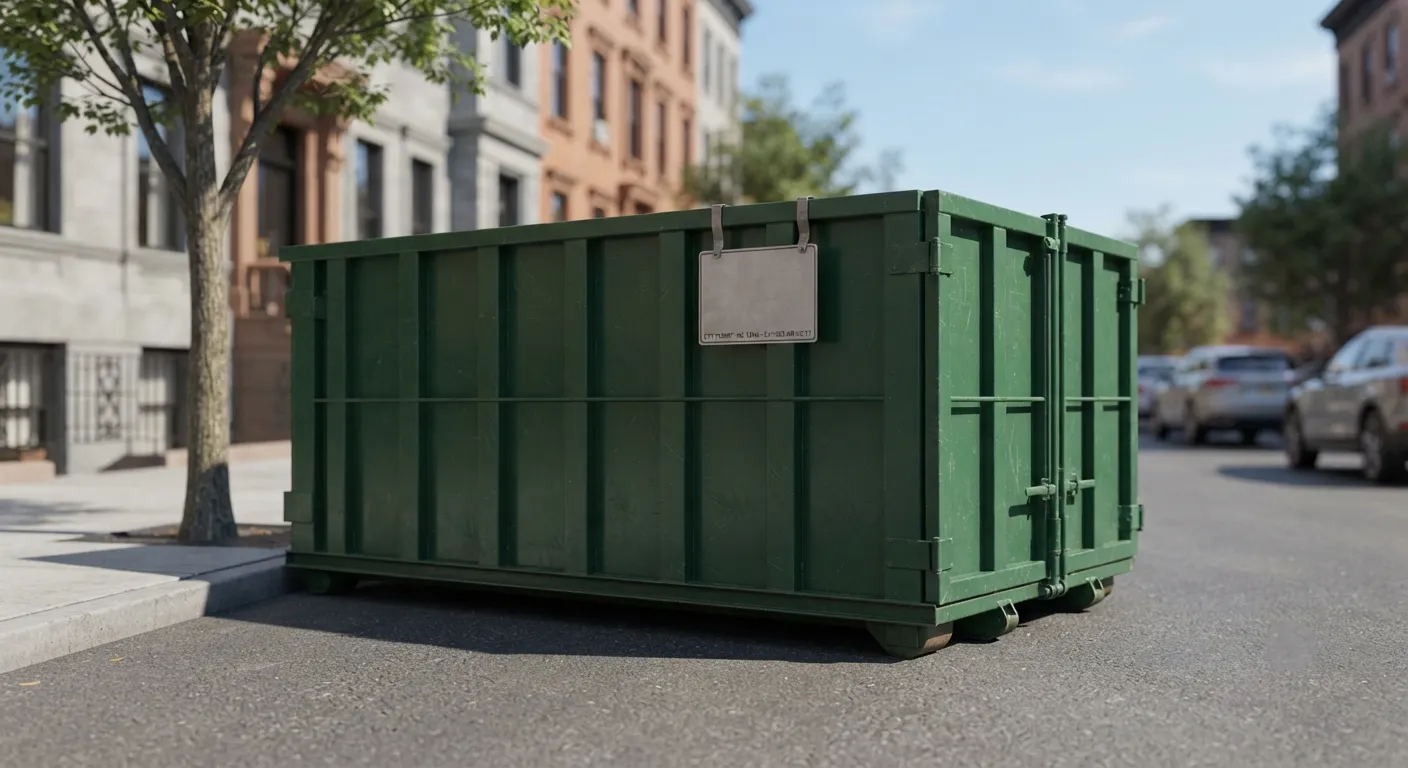
Almost always, if the dumpster touches the street. This is the same question renters ask everywhere, whether it is permit for dumpster on street here in Seattle or a jersey city dumpster permit search from someone moving states, and the answer follows the same logic: check who controls the ground under the box. SDOT's Storage Container and Residential Dumpster Permit covers exactly this situation, and it has to be approved before the box lands. The legal backbone is Seattle Municipal Code 15.04.010, which makes it unlawful to use any public place without written permission from the Director of Transportation, the Director of Seattle Department of Construction and Inspections, or the Superintendent of Parks and Recreation. That's a broad rule. It applies whether you're gutting a kitchen near Mercer Island, 8.9 miles southeast of downtown, or clearing a lot in Shoreline, 11.8 miles north. If your dumpster stays entirely on private property, this permit usually doesn't apply, but confirm placement first. See our dumpster permit requirements overview for the short version, and pair it with our roll-off dumpster rental page for sizing.
How do I apply for a dumpster permit?
You apply through the Seattle Services Portal, and you'll need a Right-of-Way Impact Plan uploaded with the application. A dumpster permit application here works much like the city of chicago dumpster permit process or a permit run through chicago dumpster permit channels elsewhere: you file before delivery, not after. This isn't a same-day approval process, so build in lead time before your construction dumpster rental delivery date, the same way you would for any do you need a permit for a dumpster question in another city. The application asks where the container sits, how long it stays, and what impact it has on sidewalk or lane access. SDOT reviews it under the ROW Management - Simple Review base fee structure, with added charges depending on location, duration, and mobility impacts. Exact dollar figures weren't confirmed in the current fee schedule we checked, so call SDOT directly for a current quote. While you're planning logistics, remember a roll-off needs about 60 feet of straight clearance behind the truck for delivery, so measure your street or driveway before you commit to a spot. Compare box sizes on our 10 yard dumpster rental, 20 yard dumpster rental, 30 yard dumpster rental, and 40 yard dumpster rental pages before you apply, since the permit application asks for container dimensions.
Where can a dumpster go without extra restrictions?
Private property is your easiest path. A driveway, a fenced yard, a construction lot you control, none of that needs the SDOT street permit. The moment the container sits in a legal parking space or the parking lane in front of a property, though, Seattle's placement rules kick in: at least 30 feet from intersections, 10 feet from driveways, and 15 feet from fire hydrants. The container also has to be free-standing and positioned directly in front of the applicant's own address, not a neighbor's. These rules exist to protect sightlines for drivers and pedestrians, and they get enforced. If your project spans a wider footprint, our temporary fence rental and chain link temporary fence options can help secure a job site so the dumpster and its surroundings stay contained while permit paperwork clears. Worth noting: whether a portable toilet placed curbside needs this same specific permit type wasn't confirmed. SDOT names storage containers and dumpsters explicitly. A porta potty in the right-of-way likely falls under the same general SMC 15.04.010 prohibition, but we're not going to guess at a category SDOT hasn't published.
What happens if I skip the permit?
You risk a stop-work order, a fine, or having the container relocated at your cost, though Seattle hasn't published a specific enforcement fee schedule that we could confirm. SDOT states plainly that all Street Use permits are temporary and don't grant permanent rights to occupy public space, meaning even an approved placement can be revisited if it creates a hazard. This matters more on a tight urban lot in Seattle than on a rural property, since city crews patrol the right-of-way regularly. If you're weighing whether a permit's worth the hassle versus renting a smaller unit that fits entirely on your lot, check our dumpster rental cost and dumpster sizes and dimensions pages to plan around a private-property footprint. For sites already under a temporary power or lighting setup, see temporary power pole and light tower rental, since those placements often share the same right-of-way review.
| unit | duration | typical price |
|---|---|---|
| dumpster | day | $75 |
| dumpster | week | $600 |
| dumpster | month | $108 |
A weekend rental typically runs around $440. Pricing above reflects measured rental rates only, not permit fees, which SDOT sets separately. For a broader look at what's allowed inside the box once it's delivered, see what cannot go in a dumpster and dumpster weight limits.
Do I need a permit if the dumpster sits on my own driveway?
Usually no. SDOT's permit requirement targets the public right-of-way, meaning streets and parking lanes. A driveway or private lot generally falls outside that rule. Still, confirm with SDOT if your property line is unclear, especially on a narrow city lot.
How long does a Street Use permit take to process?
Not specified in the current published fee schedule, so build in a buffer before your delivery date. Apply through the Seattle Services Portal with your Right-of-Way Impact Plan ready to upload, since incomplete applications add delay.
Does a storage container follow the same permit rules as a dumpster?
Yes. SDOT groups storage containers and residential dumpsters under one permit type, with identical placement setbacks. See our storage container rental and storage container rental cost pages if you're weighing a container instead of a roll-off.
Can I place a dumpster near a fire hydrant?
No. Seattle requires at least 15 feet of clearance from any fire hydrant, plus 10 feet from driveways and 30 feet from intersections. These setbacks apply to right-of-way placements specifically.
Who enforces dumpster placement rules in Seattle?
The Seattle Department of Transportation administers the Street Use permit and its placement conditions under SMC Title 15. Violations can involve other departments too, since SMC 15.04.010 also names the Superintendent of Parks and Recreation for placements on park property.
Next step
Get a delivery date
Tell us the address, the dates and the headcount. We size the order and confirm the route.